Natural PCOS Treatment: A Realistic, Science-Based Approach to Hormonal Healing
PCOS can feel like a tangle of conflicting advice: diet plans, supplements, detoxes, and quick fixes promising miracles. The truth? Sustainable hormonal improvement takes consistent, evidence-backed steps — no hype, no overnight magic.
This guide lays out a comprehensive, biology-aligned approach to PCOS management, showing you what works, what doesn’t, and what to realistically expect.
This article contains affiliate links. If you choose to purchase through these links, I may earn a small commission at no extra cost to you. I only recommend products I genuinely trust and use within the BodyCodexx approach to hormonal and whole‑body wellness
How to Use This Guide
- Read through once to understand the full picture
- Choose 2-3 strategies to implement first (we suggest: nutrition + sleep + one supplement from Tier 1)
- Track for 90 days before adding more interventions
- Download our FREE PCOS Tracker to monitor progress and identify what works for YOUR body
➡️Small, consistent steps beat overwhelming overhauls. Every time.
Understanding PCOS: What You’re Really Dealing With
PCOS isn’t one uniform condition. Hormonal imbalances arise from a mix of:
- Insulin dysregulation – often the most impactful driver
- Chronic low-grade inflammation – can worsen hormonal disruption
- Stress-related cortisol shifts – influencing androgen levels
- Gut and liver health imbalances – affecting hormone metabolism
PCOS management isn’t about fitting a label — it’s about understanding your physiology and addressing the areas where your body needs support.
Which PCOS Pattern Do You Recognize?
While PCOS exists on a spectrum, understanding your dominant pattern helps prioritize interventions:
Insulin-Resistant Pattern (Most common ~70%)
- Commonly overweight or struggling with weight management
- Elevated fasting insulin, blood sugar issues
- Darkened skin patches (acanthosis nigricans)
- Priority focus: Blood sugar stabilization, exercise, insulin-sensitizing nutrition and supplements
Hyperandrogenic Pattern
- Higher androgen levels (testosterone, DHEA-S)
- Acne, hirsutism (unwanted hair growth), scalp hair thinning
- May or may not have insulin resistance
- Priority focus: Hormone balance, anti-androgen herbs and supplements
Inflammatory Pattern
- Often sensitive to dietary triggers
- Chronic fatigue, joint pain, headaches
- Elevated inflammatory markers (CRP, homocysteine)
- Priority focus: Anti-inflammatory nutrition, gut healing, liver support
These patterns overlap — many women show traits from multiple categories. Use them as starting points for personalization, not rigid boxes.
➡️Quick Tip: Track your labs, symptoms, and cycles over time. Patterns reveal which strategies are most effective for YOUR body.
Foundational Strategies
1. Nutrition: Food as a Hormone Ally
Food is your most powerful daily intervention. Here’s what actually moves the needle:
Anti-Inflammatory Foods
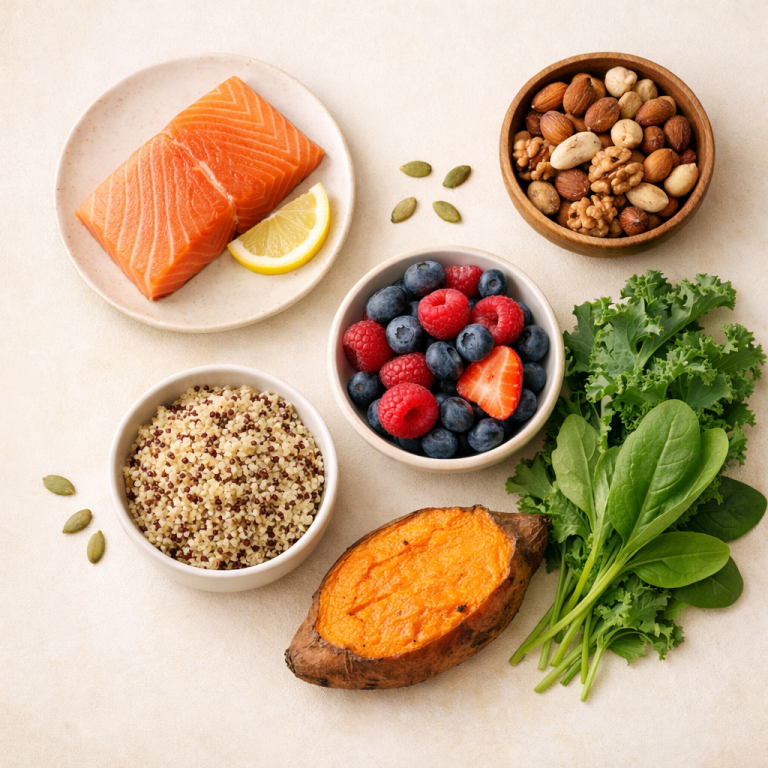
- Colorful vegetables (aim for 5+ servings daily)
- Berries rich in antioxidants
- Omega-3 rich fish (wild salmon, sardines, mackerel) 2-3x weekly
- Herbs and spices like turmeric (with black pepper) and ginger
- Avoid: Excess processed sugars, trans fats, refined carbs, excessive omega-6 oils
Insulin-Supporting Foods
- High-fiber, low-glycemic options (legumes, non-starchy vegetables, steel-cut oats)
- Chromium-rich foods (broccoli, whole grains, lean proteins)
- Cinnamon (1-2 tsp daily can improve insulin sensitivity by up to 29%)
- Small, consistent meals to stabilize blood sugar (every 3-4 hours)
Reality check: Nutrition isn’t a short-term fix. Improvements in insulin sensitivity and cycle regularity typically appear over 3-6 months of consistent dietary adjustments.
📘 Recommended: PCOS-Friendly Cookbook that includes low-glycemic recipes with meal plans, grocery lists, and blood sugar tracking guides. Get our FREE PCOS Nutrition Starter Kit to start your wellness journey.
📦 Quick Tip: Focus on fiber and protein at every meal. It’s one of the simplest ways to stabilize blood sugar and support hormones without counting anything.
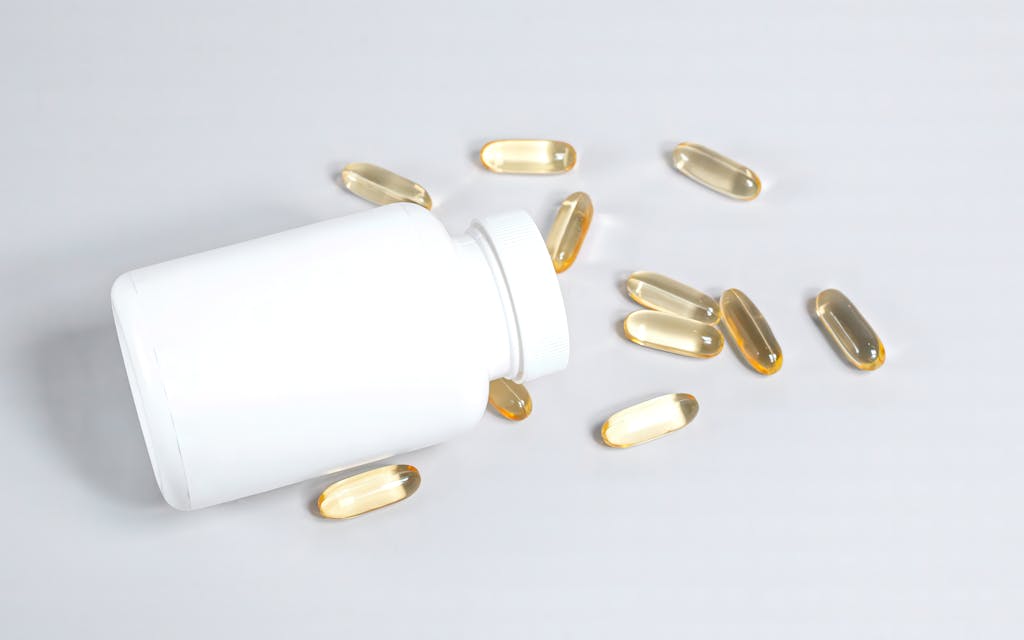
2. Evidence-Based Supplements (Tiered by Research Strength)
Supplements work best when tiered by evidence quality. Here’s what the research actually supports:
Tier 1: Strong Evidence (Start here)
| Supplement | Dosage | What It Does | Timeline |
|---|---|---|---|
| Inositol (myo + D-chiro 40:1 ratio) | Ask your doctor for the correct dosage that you personally need | Improves insulin sensitivity, supports ovulation, reduces testosterone | 3–6 months |
| Omega-3 fatty acids (EPA + DHA) | ” “ | Reduces inflammation, supports hormone synthesis, improves mood | 2–3 months |
| Vitamin D3 | ” “ | Critical for insulin sensitivity, reproductive hormones, immune function Target: 40-60 ng/mL | 2–4 months |
Tier 2: Variable Evidence (Add based on symptoms)
| Supplement | Dosage | Notes |
|---|---|---|
| NAC (N-Acetyl Cysteine) | Ask your doctor for the correct dosage that you personally need | Improves ovulation rates in some studies, supports liver detox |
| Magnesium glycinate | ” “ | Supports insulin sensitivity, sleep quality, stress response |
| Zinc | ” “ | May reduce androgen-related symptoms, supports immune function |
| Spearmint tea | 1–2 cups/day | May modestly lower free testosterone (steep 5-10 min) |
Tier 3: Use with Professional Guidance
| Supplement | Notes |
|---|---|
| Berberine | Powerful insulin sensitizer; potential drug interactions — consult practitioner |
| Saw palmetto | Anti-androgen effects; not appropriate for everyone |
Important: Supplements are tools, not cures. Choose based on your labs, dominant symptoms, and professional guidance. Start with Tier 1, track results for 90 days, then add Tier 2 as needed.
📥 Free Download: The Personalized PCOS Tracker
Track which supplements you’re taking, dosages, and how your symptoms change over 90 days. Includes a lab result tracker and a notes section.
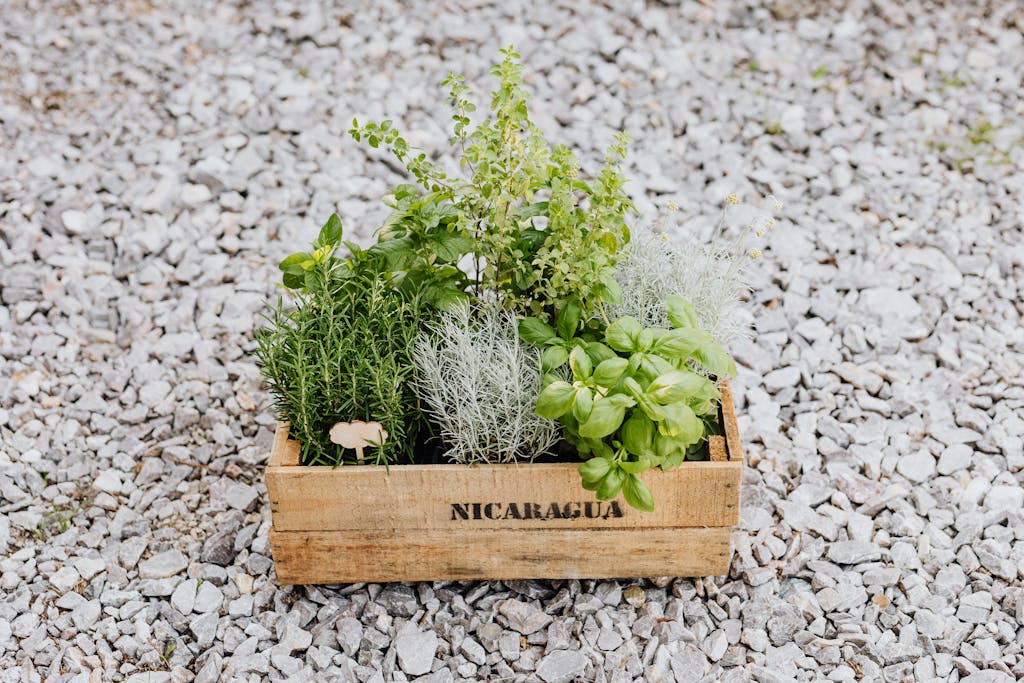
3. Herbal and Adaptogenic Support
Herbs work gradually — expect subtle but meaningful changes over weeks to months, not days.
For Stress and Cortisol Balance:
- Ashwagandha: 300-600 mg daily (standardized extract) — reduces cortisol, improves insulin sensitivity
- Holy Basil (Tulsi): 2-3 cups of tea daily or 300-600 mg extract — lowers stress hormones
- Rhodiola: 200-400 mg daily — improves stress resilience and energy
For Hormone Regulation:
- Vitex (Chasteberry): 400-600 mg daily (take in morning) — supports progesterone production; effects seen after 3-6 months
- White Peony: 500-1000 mg daily — anti-androgenic properties, often combined with licorice root
For Liver Support (Hormone Metabolism):
- Milk Thistle: 200-400 mg daily (70-80% silymarin) — supports liver detoxification
- Dandelion Root: 2-3 cups of tea or 500-1000 mg daily — gentle liver and kidney support
🌿 Recommended: Traditional Medicinals Tea — Organic spearmint tea, dandelion root, and holy basil. No fillers, just herbs that work.
4. Stress Management & Sleep: The Non-Negotiables
Chronic stress elevates cortisol, which worsens insulin resistance and increases androgen production. Sleep deprivation does the same. These aren’t “nice to haves” — they’re hormone regulators.
Daily Stress Management:
- Meditation or mindfulness: 10–20 minutes daily (apps: Insight Timer, Headspace)
- Deep breathing: 4-7-8 technique (inhale 4, hold 7, exhale 8)
- Gentle movement: Yoga, walking, tai chi — avoid over-exercising (can raise cortisol)
Sleep Optimization:
- Target: 7–9 hours nightly, consistent bedtime (even weekends)
- Environment: Dark, cool (65-68°F), quiet
- Routine: No screens 1 hour before bed, dim lights after sunset
- Natural support: Magnesium glycinate (200-400 mg), chamomile tea, lavender
📦 Quick Tip: Even 10 minutes of morning meditation can help regulate cortisol and stabilize blood sugar throughout the day. Don’t underestimate small, consistent practices.
5. Lifestyle Factors That Actually Matter
Exercise:
- Resistance training: 3-4x weekly (builds insulin-sensitive muscle)
- Walking: 30+ minutes daily (underrated, low-cortisol movement)
- HIIT: 2-3x weekly max (effective but can raise cortisol if overdone)
Weight Management (If Needed):
- Small, sustainable changes (5-10% weight loss can dramatically improve hormones)
- Focus on body composition, not just scale weight
Environmental Mindfulness:
- Limit endocrine disruptors (BPA, phthalates, parabens) where practical
- But prioritize nutrition, sleep, and stress management first — those have a bigger impact
📦 Quick Tip: Start with ONE small change per week. Overwhelming yourself sabotages consistency — and consistency is what moves the needle.
Realistic Expectations (The Part Most Guides Skip)
Let’s be honest about timelines:
✅ Trackable improvements usually appear in 3–6 months of consistent intervention
✅ PCOS is chronic — the goal is management and meaningful improvement, not instant normalization
✅ Progress isn’t linear — you’ll have good weeks and frustrating weeks
✅ Track labs and symptoms to guide adjustments, not to judge yourself
Not exciting, but effective. Consistency beats quick fixes every single time.
🎯 Your Next Step: Get Your Free PCOS Toolkit
PCOS Symptom & Cycle Tracker PDF — Track cycles, hormones, symptoms, and which interventions are working. Includes lab result section and supplement tracker.
PCOS-Friendly Grocery Shopping List — High-fiber, low-glycemic foods organized by category. Print and take to the store.
These tools give you immediate value and help you identify what YOUR body responds to best.
Bottom Line
A science-backed, multi-pronged approach — nutrition, lifestyle, stress management, and carefully chosen supplements — is the most reliable path to hormonal balance.
Skip the gimmicks. Focus on consistency. Track measurable progress with realistic expectations.
Start where you are. Choose 2-3 interventions from this guide. Track for 90 days. Adjust based on results, not internet hype.
Not glamorous, but effective. Consistency wins.
Ready to take the first step? Download your FREE PCOS Symptom & Cycle Tracker and start identifying your patterns today.
Disclaimer: This information is educational and not intended to diagnose or treat medical conditions. Work with a qualified healthcare provider for personalized guidance, especially before starting new supplements or making significant dietary changes.
Sources:
- Teede HJ et al., The International PCOS Guideline: 2023 update, Human Reproduction, 2023.
- Diamanti-Kandarakis E et al., Pathophysiology and Clinical Implications of PCOS, Endocrine Reviews, 2020.
- Moran LJ et al., Dietary Management of PCOS: Evidence-Based Recommendations, Fertility and Sterility, 2013.
- Nestler JE et al., Myo-inositol in the treatment of PCOS, Fertility and Sterility, 2011.
- Palomba S et al., Effects of Omega-3 Fatty Acids on Metabolic and Endocrine Profiles in PCOS, International Journal of Endocrinology, 2014.
- Armanini D et al., Vitamin D and PCOS, Gynecological Endocrinology, 2020.
- Hahn S et al., Herbal Medicine in the Treatment of PCOS, Phytotherapy Research, 2019.
- Panossian A, Adaptogens: Herbs for Stress and Hormonal Balance, Phytomedicine, 2010.
- Dokras A, Sleep and Psychological Health in PCOS, Fertility and Sterility, 2016.
- Teede HJ et al., International PCOS Guideline, 2023