Menopause and Your Hair:
What to Expect and How to Thrive
Your hormones are throwing a going-away party — and your hair wasn’t invited. Here’s how to crash it and come out looking fabulous.
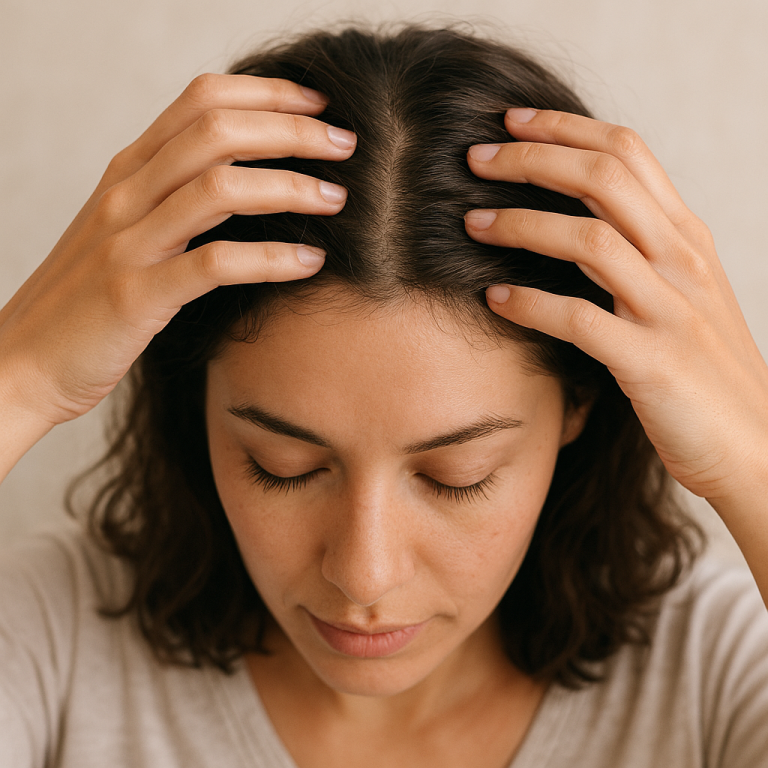
Let’s have an honest conversation about something that affects virtually every woman but somehow still catches us off guard: what menopause does to our hair. If you’ve noticed your ponytail getting thinner, your part getting wider, or wiry “rogue” hairs multiplying like rabbits — welcome to the club nobody asked to join.
Here’s what’s really happening: menopause isn’t just hot flashes and mood swings. It’s a complete hormonal overhaul that affects every system in your body, including those hair follicles that have been faithfully doing their job for decades. But here’s the empowering part — understanding what’s happening puts you back in the driver’s seat.
Affiliate Disclosure: Some links in this article are affiliate links, meaning BodyCodexx may earn a small commission if you purchase through them — at no additional cost to you. We only recommend products we have independently evaluated and believe are appropriate for this audience. This commission helps us continue producing free, research-backed content. Thank you for your support.
The Menopausal Hair Decline: How It Actually Works
- Estrogen drops → follicles shrink, growth cycles shorten, DHT goes unchecked
- Androgens dominate → hair thins at crown/temples, texture turns coarse
- Inflammation rises → chronic follicle damage compounds loss over time
- Sleep disruption → cortisol spikes, growth hormone suppressed
- Nutritional gaps → ferritin, D3, and B12 deficiencies accelerate shedding
The Menopause Hair Timeline: Active Progression Phases
Perimenopause (Ages 40–55): The Warning Phase
What’s Happening Hormonally
- Estrogen starts its slow, erratic decline
- Progesterone drops even faster than estrogen
- Androgens remain relatively stable — but now have less estrogen to balance them out
- Cortisol may increase due to sleep disruption and stress
Hair Changes to Monitor
- Increased daily shedding — track it now before it worsens
- Hair takes longer to recover after breakage
- Texture changes: straight hair turning wavy, fine hair becoming coarse
- Coarse, wiry “rogue” hairs appearing at the scalp — see DHT section below
- Slower growth rate, reduced shine and softness
The emotional reality: This phase is unpredictable. Great hair days followed by weeks of frustration are normal — and common.
Menopause (Around Age 51): The Main Event
What’s Happening Hormonally
- Estrogen drops to approximately 10% of pre-menopausal levels
- Progesterone becomes almost non-existent
- Androgen effects become far more pronounced without estrogen’s protection
Hair Changes That Become Pronounced
- Significant thinning at the crown and temples
- Hairline recession similar to early male-pattern baldness
- Hair diameter becomes noticeably finer
- Growth phase (anagen) shortens — less time on your head before shedding
Post-Menopause (5+ Years After Last Period): Establishing Your New Baseline
What Changes in This Phase
- Hormone levels stabilize at much lower values
- Hair loss may plateau — but does not typically reverse without intervention
- Gray becomes more prominent; scalp may become visible
- Recovery from damage takes significantly longer
Biological Mechanism: The Estrogen–Follicle Connection
Estrogen is your hair’s most powerful protector. When it’s present in sufficient quantities, it keeps hair in the growth phase longer, increases shaft diameter, improves blood circulation to follicles, and actively protects against DHT damage. When estrogen drops, every one of those protective functions deteriorates simultaneously.
What Estrogen Loss Does to Your Follicles
- Hair follicles shrink (miniaturization) — producing thinner, shorter strands each cycle
- Growth cycles shorten — less anagen time, more shedding
- Hair becomes progressively more fragile
- DHT runs unchecked, accelerating miniaturization further
DHT (dihydrotestosterone) is the primary driver of menopausal hair thinning. It binds to receptors in the follicle, shortening the growth phase with each cycle. The result: follicles progressively produce shorter, finer hair until production stops entirely. Blocking DHT is one of the most targeted interventions available. See the treatment section for options.
Biological Mechanism: The Androgen Amplification Effect
Here’s the cruel irony of menopause: your testosterone levels don’t necessarily increase — but with less estrogen around to balance them, androgens get to wreak havoc unchecked.
Those coarse, wiry “rogue” hairs appearing on your scalp are one of the most distressing — and least discussed — symptoms of menopause. This is your follicles responding to DHT exposure. The same mechanism that thins scalp hair can simultaneously stimulate coarser growth in others. You’re not imagining it. This is biology, and it’s addressable.
- Androgens convert to DHT, which directly shrinks hair follicles
- Hair grows more slowly and falls out more quickly
- Genetically susceptible women develop female-pattern hair loss
- Unwanted facial and body hair may simultaneously increase
Menopause creates a perfect storm for chronic inflammation: declining estrogen raises inflammatory markers, poor sleep elevates cortisol, and life stress compounds the burden. Chronic inflammation directly damages hair follicles — making anti-inflammatory nutrition one of your most important long-term interventions, not an optional add-on.
Diagnosing Your Loss: Three Primary Patterns
Pattern 1: Androgenic Alopecia (Female Pattern Hair Loss)
What it looks like: Gradual thinning at the crown, widening center part, hairline recession at the temples. Hair becomes progressively finer and shorter with each cycle.
Who is most at risk: Women with family history of hair loss, those who experienced hair thinning during pregnancy or with certain birth control pills, and women with PCOS history.
Pattern 2: Diffuse Hair Thinning
What it looks like: Overall reduction in density across the entire scalp — no specific pattern, but ponytails become noticeably thinner and hair feels sparse throughout.
The good news: This type often responds well to treatment because follicles are not yet completely miniaturized. Early action matters.
Pattern 3: Telogen Effluvium (Stress-Driven Shedding)
What it looks like: Sudden increase in daily shedding — hair releases easily during washing or brushing. This is often triggered by the physiological stress of the menopause transition itself.
Timeline: Usually temporary, but can become chronic if underlying stressors aren’t addressed.
Free Resource: The Fine Hair Audit
Not sure if your thinning is hormonal or product-related? In 90 seconds, our Free Fine Hair Audit calculates your personal “Buildup Score” — so you know whether a routine reset or a hormonal protocol is your real first step. Don’t guess. Audit first.
→ Get Your Buildup Score (90 Seconds)The BodyCodexx Solution
Overwhelmed by the options in this guide? We’ve done the hard work for you. The 30-Day Hair Recovery Foundation is our signature biological reset — including the exact supplement schedule, the “Success Protocol” refrigerator sheet, and the complete “Inside-Out” nutrition plan.
Stop the supplement overwhelm. The Foundation includes the exact Absorption Window Schedule (Page 11) to ensure your Iron and Zinc don’t cancel each other out — a critical detail most guides skip entirely.
Get the 30-Day Foundation →Medical Treatment Options That Produce Results
Hormone Replacement Therapy: The Comprehensive Approach
HRT addresses menopausal hair loss at its hormonal root — not just the visible symptoms. By replacing declining estrogen and progesterone, it can slow or stop hair loss progression, improve texture, and restore growth — while simultaneously addressing other menopause symptoms.
Not all progesterone formulations are equal for hair health. Some synthetic progestins are more androgenic and can worsen hair loss. Micronized progesterone (Prometrium) is generally preferred for women concerned about hair. Discuss this specifically with your prescriber — don’t assume any progesterone is the same.
Types of HRT to Discuss With Your Doctor
- Estrogen-Only HRT: For women who’ve had hysterectomies. Delivered via pills, patches, gels, or rings.
- Combined HRT (Estrogen + Progesterone): For women who still have their uterus. Progesterone type matters significantly — see note above.
- Bioidentical Hormones: Chemically identical to what your body produces. Available via compounding pharmacies for more customized dosing.
Important: Not suitable for all women. Requires ongoing medical supervision. Hair benefits may take 6–12 months to become fully apparent.
Your Ranked Treatment Options (Most Evidence → Emerging)
- Minoxidil (2% or 5% formula): FDA-approved, increases blood flow and extends growth phase. 6–12 months for significant results. Must be used continuously.
- Spironolactone: Blocks androgen receptors. Reduces hair loss and unwanted body hair. Requires potassium monitoring.
- Finasteride: Blocks DHT conversion. Off-label for post-menopausal women. May outperform spironolactone for some.
- PRP (Platelet-Rich Plasma): Uses your own blood to stimulate follicles. 3–6 initial sessions. Strong study results when combined with other treatments.
- LLLT Devices (HairMax / iRestore): FDA-cleared. Stimulates cellular activity. High-ticket investment with consistent long-term benefit.
Nutritional Strategy: The Anti-Inflammatory Menopause Protocol
What you eat directly influences the hormonal environment your follicles live in. This isn’t about hair-growth gummies — it’s a targeted nutritional strategy built around four pillars: phytoestrogens, anti-inflammatory fats, antioxidant load, and adequate protein.
Phytoestrogen-Rich Foods
- Flaxseeds, chia seeds, sesame seeds
- Soy products (tofu, tempeh, edamame)
- Lentils and chickpeas — provide mild estrogenic support
Omega-3 Fatty Acids
- Wild-caught salmon, sardines, mackerel
- Walnuts, flaxseeds, hemp seeds — reduces inflammation and supports scalp health
Antioxidant Powerhouses
- Berries, dark leafy greens, colorful vegetables
- Green tea — also contains compounds that may inhibit DHT activity
- Dark chocolate (70%+ cacao)
Protein for Hair Rebuilding
- Lean meats, fish, eggs; plant proteins like quinoa and hemp seeds
- Target: 0.8–1g per kg of body weight daily — most women fall significantly short
- Supplement options: Grass-Fed Collagen Peptides (10–20g daily) for hair structure amino acids, or a hormone-safe, dairy-free protein powder to close daily protein gaps
Priority Nutrients for Menopausal Hair Recovery
- Iron/Ferritin: Get tested. For hair recovery, target 40–70 ng/mL — not just “normal” lab range. Pair with vitamin C for absorption.
- Vitamin D3 (2000–4000 IU daily): Acts like a hormone. Crucial for follicle cycling. Target blood level: 40–60 ng/mL.
- B-Complex (with Biotin + B12): Supports hair protein synthesis and hormone metabolism.
- Zinc (15–30mg): Essential for hair protein synthesis and hormone balance. Balance with copper (2–4mg daily).
- Collagen (hydrolyzed, 10–20g daily): Provides amino acid building blocks for hair structure. May improve thickness and strength.
- Omega-3s (EPA/DHA supplement): Anti-inflammatory baseline support for scalp health.
Standard lab “normal” for ferritin can be as low as 12 ng/mL — which is clinically insufficient for hair recovery. For optimal hair growth, we look for ferritin levels between 40–70 ng/mL. If your doctor says your iron is “fine,” ask for the actual ferritin number and compare it to this range before accepting the answer.
Botanicals Worth Including
- Saw Palmetto (160–320mg — shop our pick): Natural DHT blocker with study-backed results for hair loss in women
- Pumpkin Seed Oil (1000mg softgels): Emerging DHT-inhibiting evidence; pairs well with saw palmetto for a natural blocker stack
- Black Cohosh (40–80mg standardized): Traditional menopause herb with mild estrogenic activity
- Evening Primrose Oil (1000–3000mg): Rich in GLA for hormone balance
- Rosemary Oil (high-quality topical — our preferred brand): Emerging research shows efficacy comparable to 2% minoxidil for stimulating growth. Use diluted in carrier oil as per the BodyCodexx Rosemary Stimulation Protocol
Lifestyle Levers: What Actually Moves the Needle
Exercise: Your Hair’s Most Underestimated Ally
Exercise improves blood circulation to the scalp, reduces cortisol, supports hormone balance through healthy weight maintenance, and promotes the deep sleep your hair needs to grow. Aim for 150 minutes of moderate activity weekly with 2–3 strength training sessions. Warning: Over-exercising can raise cortisol and worsen shedding.
Of all exercise types, resistance training has the most favorable hormonal profile for menopausal hair health — supporting muscle mass, insulin sensitivity, and bone density while avoiding cortisol spikes associated with high-volume endurance training. Make it your anchor, then build cardio and yoga around it.
Sleep: The Non-Negotiable Growth Window
Growth hormone releases primarily during deep sleep. Poor sleep — which menopause guarantees for most women — suppresses this release, elevates cortisol, and disrupts the hair growth cycle at a systemic level. This is not optional to address.
Menopause Sleep Protocol
- Keep bedroom at 65–68°F to reduce night sweat disruption
- Switch to breathable, moisture-wicking bedding — and a silk pillowcase to reduce hair friction overnight
- Avoid large meals and alcohol in the 3 hours before bed
- Consider magnesium glycinate or low-dose melatonin under physician guidance
- Protect sleep consistency — same wake time daily, even on weekends
Hair Care Execution: Gentle, Intentional, Strategic
Washing and Daily Care
- Use sulfate-free, moisturizing shampoos — sulfates strip what little oil your scalp now produces
- Wash every other day or 2–3 times weekly, not daily
- When washing, use a silicone scalp massage brush to gently stimulate blood circulation — this takes under 60 seconds and meaningfully improves follicle delivery of nutrients
- Apply conditioner to mid-lengths and ends only
- Finish with a cool-water rinse to close the cuticle and add shine
Handling Wet Hair (This Is Where Damage Happens)
- Squeeze water out gently with a microfiber towel — never rub
- Detangle with a wide-tooth comb starting at the ends, working up
- Apply a leave-in treatment before any heat styling
Menopausal hair has a reduced moisture barrier and is far more vulnerable to heat damage than it was in your 30s. Keep heat styling tools below 300°F and always use a heat protectant. What your hair “survived” at 35 can cause significant breakage at 50.
Styling for Thinning Hair
- Shorter styles typically read as fuller — consider going up a few inches
- Layers add movement; blunt cuts emphasize thinness
- Dry shampoo and volumizing mousse create grip and lift
- Consider hair fibers or powders for special occasions — they’re remarkable
Your Personalized Action Plan: Phase by Phase
| Phase | Timeline | Primary Actions | Metric to Track |
|---|---|---|---|
| Assessment | Month 1 | Full hormone panel, ferritin, thyroid, D3, B12. Photograph hair from 3 angles. Count daily shed for 1 week. | Baseline photos (3 angles) + daily shed count |
| Foundation | Months 2–3 | Switch to sulfate-free products. Begin supplement stack. Establish stress reduction and exercise baseline. Schedule medical consult re: HRT. | Weekly shed count vs. baseline; supplement consistency log |
| Treatment | Months 4–6 | Start minoxidil or prescribed medications consistently. Consider PRP evaluation. Fine-tune nutrition and supplements based on bloodwork results. | Hair shaft diameter (visual comparison to Month 1 photos); part width |
| Optimization | Month 7+ | Compare progress photos. Adjust treatments. Establish long-term maintenance protocol. Schedule 6-month bloodwork recheck. | Overall density comparison; ponytail circumference; ferritin retest |
See a dermatologist or menopause specialist immediately if you experience: sudden, dramatic shedding; patchy loss (possible autoimmune); scalp pain or irritation; or no measurable improvement after 6–12 months of consistent, documented treatment. These scenarios require investigation beyond self-directed care.
The Emotional Reality: Acknowledging What This Takes
Before we close, let’s acknowledge the elephant in the room: losing your hair during menopause can feel like losing part of your identity. You’re already managing hot flashes, sleep disruption, mood changes, and body composition shifts — and now your hair decides to join the rebellion.
Grief over this is valid. Anxiety about it is normal. The feelings are shared by millions of women who aren’t talking about it loudly enough. Seeking support — from community, from a therapist, from a trusted physician — is not separate from treatment. It is part of it.
You are not powerless in this process. While you cannot stop the transition, you can absolutely influence how it affects your hair and how you feel through it. Your menopausal years can be some of your most informed, intentional, and confident years yet.
Menopause Affects Your Skin Too
The same hormonal shift driving your hair changes is also altering your skin barrier, hydration levels, and collagen production. Download the Skin Issues Detective Guide to identify your “Transitional” skin profile and build a barrier-first routine that works with your biology — not against it.
Download the Skin Detective Guide →