Beginner’s Guide to Repairing Damaged Hair
So, your hair feels like straw, looks like you stuck your finger in an electrical socket, and breaks if you so much as look at it wrong. Welcome to the club—membership is unfortunately pretty large.
Whether you went a little too hard with the bleach, got overzealous with your flat iron, or just realized that years of ponytails and pool chlorine have taken their toll, damaged hair is fixable. Not overnight, and not with one miracle product (sorry to burst that bubble), but absolutely, definitely fixable.
Here’s your no-nonsense guide to bringing your hair back from the brink. No fancy salon required—just patience, consistency, and a willingness to break up with some bad habits.
Affiliate Disclosure: This page contains affiliate links. If you purchase through my links, I may earn a small commission at no extra cost to you. I only share products I believe align with my brand and support my readers’ needs.
First Things First: What Even Is Hair Damage?
Let’s get nerdy for a second. Your hair has three layers: the medulla (inner core), cortex (middle layer with all your pigment and strength), and cuticle (outer protective layer made of overlapping scales). Healthy hair has a smooth, closed cuticle that reflects light and protects the inner layers.
Damaged hair? The cuticle is lifted, cracked, or completely missing in spots. This makes your hair porous, weak, dull, and prone to breakage. The cortex can also be damaged, especially with chemical treatments, which weaken the hair’s structure.
The bad news: you can’t truly “repair” hair like you can heal skin. Hair is a dead protein, so once it’s damaged, it’s damaged. The good news: you can dramatically improve its condition, prevent further damage, and grow out healthy new hair. Think damage control and reconstruction, not regeneration.
Step 1: Stop the Damage (Seriously, Stop)
Before you can fix anything, you need to stop actively destroying your hair. It’s like trying to fill a bathtub with the drain open—pointless.
Put Down the Hot Tools
We know, we know—but hear us out. Heat styling is public enemy number one for hair health. If you absolutely must use heat, follow these rules religiously:
- Always use a heat protectant (non-negotiable)
- Keep tools at the lowest effective temperature (most people use way too much heat)
- Limit heat styling to 2-3 times per week max
- Let hair air-dry at least 80% before blow-drying
If you’re not sure which heat protectant to use, I recommend choosing one that protects up to 400°F and adds moisture rather than just coating the hair. A great option is Bumble and Bumble Heat Shield Thermal Protection Hair Mist— it’s lightweight, doesn’t leave buildup, and actually helps reduce breakage over time.
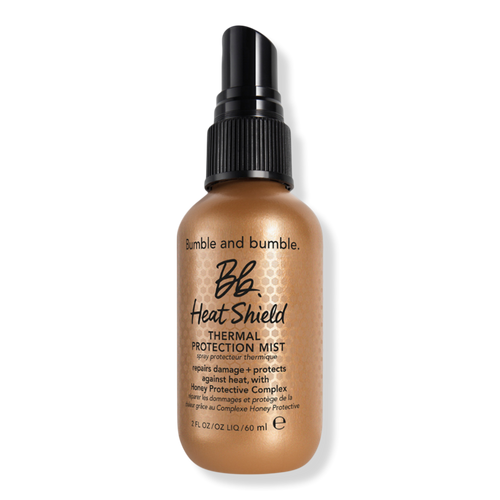
Bumble and Bumble Heat Shield Thermal Protection Hair Mist
Protects dried hair against heat tools (up to 450°F), repairs damage, and helps prevent breakage.
Give Chemical Treatments a Break
Coloring, bleaching, perming, and relaxing all damage your hair’s structure. If your hair is already damaged, take a break from chemicals for at least 3-6 months. If you can’t imagine life without your color, space appointments further apart, and ask your stylist about less damaging alternatives like balayage instead of all-over color.
Loosen Your Grip
Tight ponytails, buns, braids, and hair ties with metal parts cause breakage and traction damage. Switch to spiral hair ties or silk scrunchies and keep styles loose. If your hairstyle hurts, it’s hurting your hair.
Pro Tip: Traditional elastics can cause friction and snapping, especially on fragile or shedding‑prone hair. Spiral hair ties distribute pressure more evenly and slide out without tugging. If you want a dependable set, the product featured below is a great choice for all hair types.
Protect Your Hair from the Elements
UV rays, chlorine, salt water, and harsh weather all damage hair. Wear a hat in the sun, rinse hair immediately after swimming, and use leave-in conditioners with UV protection. Your hair needs SPF too. Sun Bum’s 3‑in‑1 Leave‑In Conditioning Treatment is a great option here because it adds moisture while helping shield your hair from sun exposure, wind, and environmental stressors throughout the day.
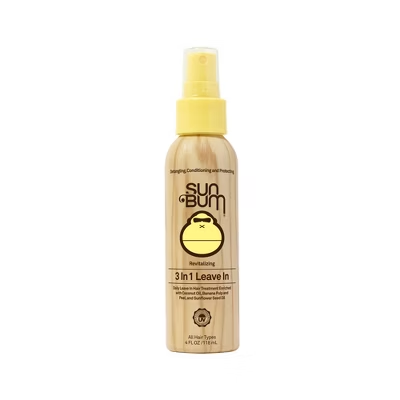
Sun Bum’s 3‑in‑1 Leave‑In Conditioning Treatment
Helps shield hair from sun and wind damage. The lightweight formula is humidity-resistant. Perfect for all hair types.
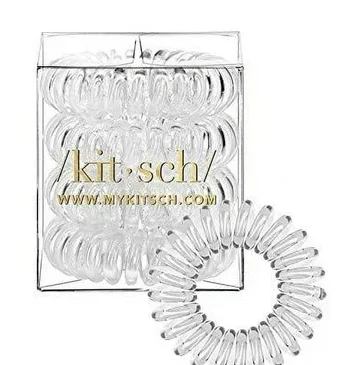
Kitsch Spiral Hair Ties,
The smooth plastic and spiral design of these curly hair ties prevents tangling and hair breakage upon removal.
Step 2: The Moisture Mission
Damaged hair is thirsty hair. Raised cuticles let moisture escape, leaving your strands dry and brittle. Your job is to become a moisture-delivery service.
Deep Condition Weekly (Minimum)
Regular conditioner is great, but damaged hair needs the heavy-hitter: deep conditioning treatments or hair masks. Apply once or twice a week, focusing on mid-lengths to ends. Leave on for at least 20 minutes (or follow product instructions). For extra penetration, cover with a shower cap and apply gentle heat with a hairdryer for a few minutes.
Use Leave-In Conditioner
After washing, apply a leave-in conditioner or cream to damp hair. This provides ongoing moisture and protection throughout the day. It’s like giving your hair a protective barrier against the world.
Try the LOC Method
For very damaged or porous hair, layer your products: Liquid (leave-in conditioner), Oil (lightweight hair oil), Cream (styling cream or butter). This traps moisture in your hair and keeps it hydrated longer.
Don’t Skip Conditioner
Every. Single. Wash. No exceptions. And remember: shampoo goes on your scalp, conditioner goes on your lengths and ends. Your ends are the oldest part of your hair and need the most love.
Below are a couple of the moisture‑supporting products mentioned in this section if you want to explore them further.
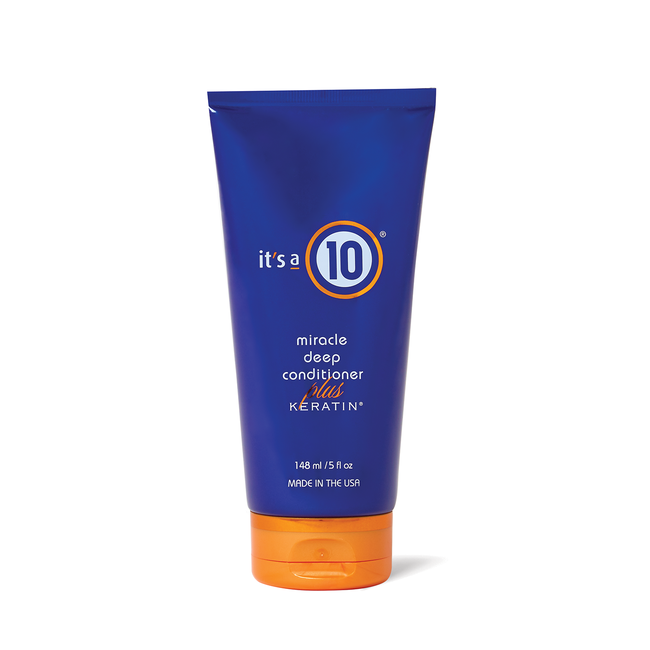
It’s a 10 Miracle Deep Conditioner Treatment
Formulated to penetrate the hair shaft, restore moisture, and repair damage
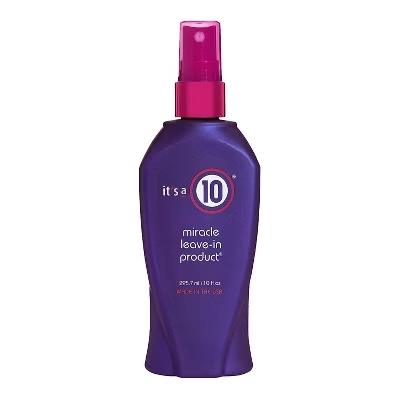
It’s a 10 Silk Express Miracle Leave‑In
A cult-classic, this easy-to-use spray smooths hair, eliminates frizz, restores shine, and enhances your hair’s natural body.
Step 3: Strengthen and Rebuild
Moisture is crucial, but damaged hair also needs protein to rebuild its structure. Think of protein as the construction crew and moisture as the plumbing—you need both.
Use Protein Treatments
Look for products containing hydrolyzed proteins, keratin, or amino acids. Start with a protein treatment once a week or every other week. Watch how your hair responds—too much protein can make hair stiff and brittle, while too little leaves it mushy and weak. You’re looking for the Goldilocks zone. The product below is one of the strongest protein treatments available without going to a salon.
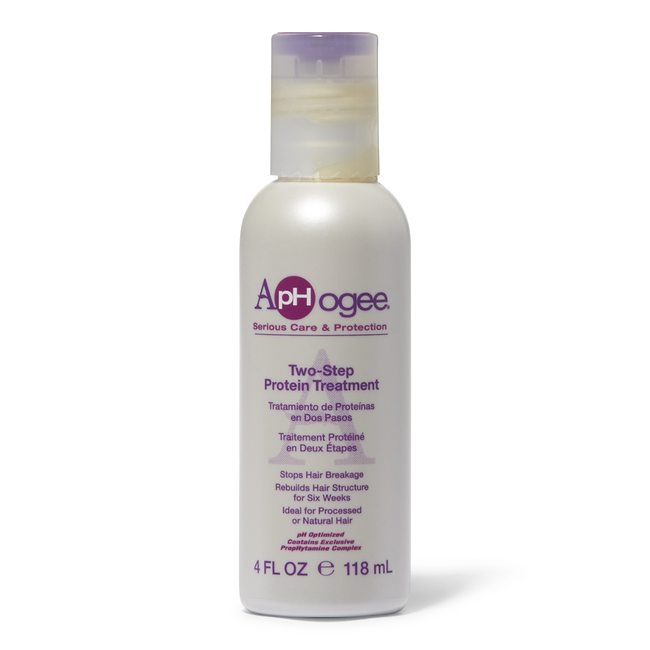
ApHogee Two‑Step Protein Treatment
This unique treatment is formulated with activated proteins and magnesium, which fuse into the hair when applying heat. Hair breakage is drastically reduced for 4-6 weeks following use.
Balance Protein and Moisture
This is the trickiest part of hair repair. Damaged hair needs both, but the ratio depends on your specific hair. If your hair feels straw-like and stiff, add more moisture. If it feels limp, stretchy, or gummy, add more protein. Alternate between protein and moisture treatments to find your balance.
Consider Bond-Building Treatments
Products with bond-building technology (like those containing bis-aminopropyl diglycol dimaleate) actually help reconnect broken bonds inside your hair shaft. These can be game-changers for chemically damaged hair. Use as directed, usually weekly or bi-weekly.
Here’s a bond‑building treatment that is highly rated if you want to take a closer look.….
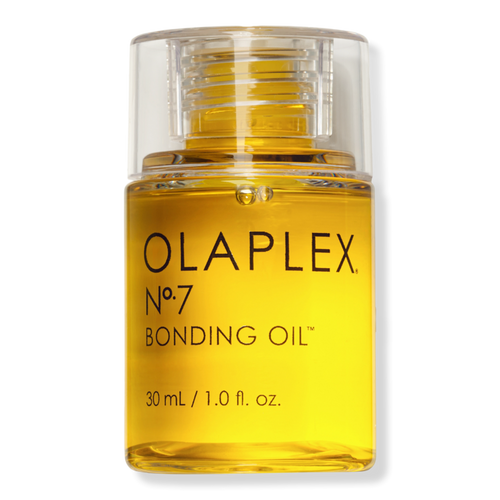
Olaplex No.7 Bonding Oil
A lightweight bonding oil that strengthens, repairs, and boosts shine while protecting against heat up to 450°F.
Get the FREE 7‑Day Inside‑Out Hair Strength Reset and start supporting your hair from the inside out.
Step 4: Handle with Care
Your damaged hair is fragile. Treat it like the delicate silk it wishes it were.
Detangle Gently
Always detangle from the bottom up, never from roots to ends. Use a wide-tooth comb or a detangling brush designed to minimize breakage. Detangle when hair is damp and coated with conditioner—never when bone dry or soaking wet.
Pat, Don’t Rub
After washing, gently squeeze excess water out with your hands, then pat dry with a towel. Rubbing creates friction and breakage. Better yet, use a microfiber towel or old t-shirt—they’re gentler than regular towels.
Sleep on Silk
We’ve said it before, we’ll say it again: silk or satin pillowcases reduce friction while you sleep. For damaged hair, this is even more important. You can also wrap hair in a silk scarf or bonnet.
Protect Wet Hair
Hair is weakest when wet. Don’t brush it aggressively, put it in tight styles, or go to bed with it wet. If you must style wet hair, use gentle methods and tools designed for wet hair.
Step 5: Cut Your Losses (Literally)
Here’s the hard truth: split ends cannot be repaired. Once a hair splits, that’s it. The only solution is to cut them off.
Get Regular Trims
If your hair is damaged, you might need trims every 6-8 weeks until you’ve removed most of the damage. Yes, this means slower length progress in the short term, but it prevents splits from traveling up the hair shaft and causing more breakage. In the long run, regular trims help you retain more length.
Don’t Fear the Scissors
If your hair is severely damaged, a significant cut might be your best option. It’s scary, but sometimes starting fresher is better than trying to salvage extremely damaged ends. Talk to your stylist about the best approach for your situation.
Step 6: Support from the Inside
Your hair grows from the inside out, so what you put in your body matters just as much as what you put on your hair.
Eat for Hair Health
Focus on protein-rich foods (hair is made of protein!), omega-3 fatty acids (fatty fish, walnuts, flaxseeds), biotin-rich foods (eggs, nuts, whole grains), and iron (leafy greens, lean meat). A balanced diet supports healthy new growth. Check out our article Daily Habits That Support Hair Growth for more nutrition tips.
Stay Hydrated
Dehydrated body = dehydrated hair. Aim for at least 8 glasses of water daily. Your hair shaft needs moisture from the inside also.
Consider Supplements
While supplements can’t fix existing damage, they can support healthier new growth from the roots. Our guide to the Best Supplements for Hair Growth features options from HUM, Nutrafol, and Vegamour that provide targeted nutrition for hair health. Just remember supplements work alongside—not instead of—a healthy diet.
Step 7: Monitor Your Progress

Repairing damaged hair is a marathon, not a sprint. It helps to track what you’re doing and how your hair is responding.
Take Photos
Monthly progress photos under the same lighting can help you see improvements that are hard to notice day to day. Take shots of your hair down, wet and dry, from multiple angles.
Track Your Routine
Note which products and treatments you’re using and how your hair feels. Our free Hair Shedding Tracker can help you monitor not just shedding, but also your hair’s overall health journey.
Adjust as Needed
If something isn’t working after 4-6 weeks, switch it up. Hair care isn’t one-size-fits-all. Pay attention to how your hair feels and looks, and adjust your protein-moisture balance, product choices, and routine accordingly.
The Reality Check: Timeline and Expectations
Let’s set realistic expectations. Hair grows about half an inch per month. If your damage is 6 inches down from your roots, it’ll take a year to completely grow it out. In the meantime, your repair routine will improve the condition of your damaged hair and ensure new growth comes in healthy.
You should start seeing improvements in how your hair feels within 2-4 weeks of a consistent routine. Visible improvements in shine, strength, and overall appearance typically show up around 6-8 weeks. Complete transformation? That’s a 6-12 month journey depending on how damaged your hair is and how fast it grows.
Common Mistakes to Avoid
Over-Proteining
Too much protein makes hair stiff, brittle, and prone to breakage. If your hair feels dry and straw-like even with moisture treatments, you might be overdoing the protein.
Expecting Overnight Results
No product can truly “repair” hair in one use. Anyone who tells you otherwise is lying. Consistency over time is what works.
Skipping Heat Protection
Even occasional heat styling without protection causes cumulative damage. If the tool gets hot, you need heat protectant. Period.
Using the Wrong Products
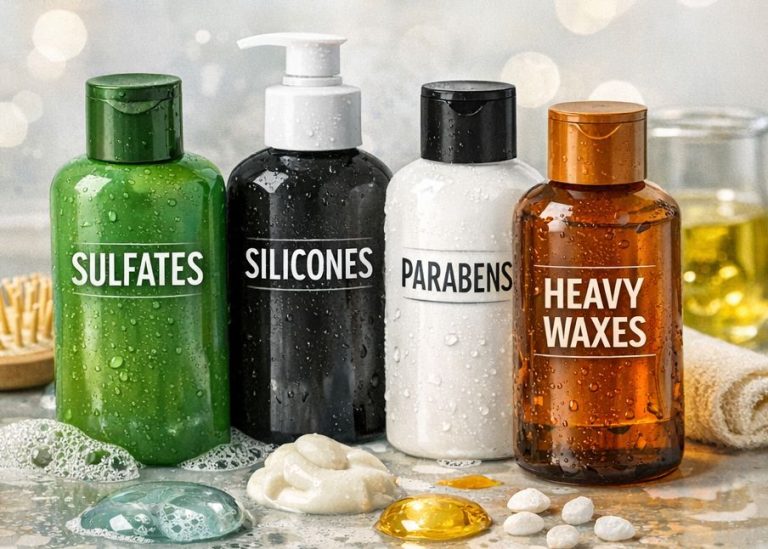
Not all products are created equal. Damaged hair needs gentle, sulfate-free shampoos and rich, nourishing conditioners. Cheap products with harsh ingredients will undo all your hard work.
Your Simple Starting Routine
Feeling overwhelmed? Start here:
- Weekly: Deep conditioning treatment (moisture) + protein treatment every other week
- Every wash: Gentle sulfate-free shampoo + rich conditioner + leave-in conditioner
- Daily: Minimal manipulation, protective styling, silk pillowcase
- Avoid: Heat styling, tight hairstyles, chemical treatments for at least 3 months
- Monthly: Trim if needed, take progress photos
That’s it. Master these basics before adding more complex treatments or products.
The Bottom Line
Repairing damaged hair requires honesty, patience, and commitment. You have to stop doing the things that caused the damage, consistently baby your hair back to health, and accept that the most damaged parts might need to be cut off eventually.
But here’s the beautiful part: hair is resilient. With the right care, even very damaged hair can look and feel significantly better. And the healthy hair growing from your scalp right now? That’s your fresh start. Treat it well, and you’ll have the healthy, strong hair you’re dreaming of.
It won’t happen overnight, but it will happen. And every day you invest in your hair health is a day closer to the hair you want.
Ready to transform your damaged hair? Download our free Hair Shedding Tracker to monitor your repair journey and see real progress over time. And if you’re experiencing shedding along with damage, check out our article on Why Women Experience Sudden Hair Shedding to address both issues at once.
What’s your biggest damaged hair struggle? Drop a comment below—we’d love to help!
Medical Disclaimer: The information provided on BodyCodexx is for general educational and informational purposes only. It is not intended as medical advice, diagnosis, or treatment. Always consult with a qualified healthcare professional before making decisions about your health, wellness, or skincare routines. Products and recommendations mentioned are based on research and personal experience, but individual results may vary.

Leave a Reply