How to Design a Complete Beauty Routine Just for You
Imagine waking up to skin that glows effortlessly, tailored just for you. Your perfect beauty routine isn’t one-size-fits-all-it’s a personalized blueprint for radiant results.
Discover how to assess your skin type and goals, factor in lifestyle and environment, craft morning and evening rituals, add weekly treatments, and pick winning products. Ready to unlock your glow?
Affiliate Disclosure: Some links in this post are affiliate links, which means I may earn a small commission if you choose to purchase—always at no extra cost to you. I only share products I genuinely trust and recommend.
Assess Your Skin Type and Needs
Determining your skin type is the foundation of any effective beauty routine. Experts recommend starting here to avoid product mismatches that lead to irritation. A simple self-assessment helps match products to your unique needs.
Focus on the five main types: dry skin, oily skin, combination skin, sensitive skin, and normal skin. Use quick tests like the blotting sheet method or pinch test for accurate results. This step ensures your skincare routine supports a healthy skin barrier. For a basic skincare routine that builds on this foundation, check out our essential guide.
Consider factors like age, hormones, and seasons in your skin analysis. Dry skin needs rich moisturizers, while oily skin benefits from lightweight serums. Tailor your routine to prevent issues like dehydration or excess oil.
Once identified, build around cleanser, toner, serum, moisturizer, and sunscreen. Track changes over weeks to refine your personalized beauty approach. Consistency in this assessment boosts confidence and glowy skin.
Identify Skin Type
Use the blotting sheet test: Press a tissue on your face 30 minutes after washing. If oil appears in T-zone only, you have combination skin. No oil means dry skin; heavy oil across the face points to oily skin.
Try the pinch test for elasticity: Gently pinch skin on your cheek for a few seconds. Quick snap back suggests normal or young skin; slow return indicates aging concerns needing hydration and peptides.
For dehydration, do the 10-minute water drop test: Place a drop of water on your forearm. If it absorbs quickly without beading, your skin lacks moisture regardless of type. Pair with hyaluronic acid for balance.
Check sensitivity with the alcohol sting test: Dab diluted rubbing alcohol on your inner arm. Burning or redness signals sensitive skin, so choose fragrance-free, gentle products like ceramide moisturizers.
Assess pore size visually: Large pores often mean oily skin; tight pores fit normal or dry. Take this quick quiz:
- Do you get shine by midday? (Yes: oily)
- Does skin feel tight after cleansing? (Yes: dry)
- Mix of both? (Combination)
- Redness or reactions? (Sensitive)
- Balanced, few issues? (Normal)
Results guide your routine builder.
Evaluate Concerns and Goals
List your top 3 concerns: acne calls for salicylic acid priority, aging needs retinol focus, and dullness benefits from vitamin C emphasis. This prioritization shapes your personalized beauty routine. Rank them to focus efforts effectively.
Use this goals ranking exercise: Score 1-10 for concerns like acne, wrinkles, hyperpigmentation, dryness, large pores, dullness, redness, and uneven texture. Top scores drive your product choices in morning and evening routines.
| Concern | Primary Ingredient | Goal Metric | Example Product |
|---|---|---|---|
| Acne | Salicylic acid | Reduce breakouts | Paula’s Choice |
| Aging | Retinol | Improve wrinkles | RoC Retinol |
| Hyperpigmentation | Vitamin C | Brighten skin | SkinCeuticals C E Ferulic |
Match ingredients to needs, like niacinamide for pores or benzoyl peroxide for acne treatment. Test via a patch test before full use. Adjust seasonally, adding more hydration in winter.
Understand Your Lifestyle Factors
Lifestyle dictates routine feasibility. Working parents often stick to 3-step routines, while retirees can layer 8+ products. Personalizing your beauty routine around daily habits makes it sustainable.
Time constraints shape your morning routine and evening routine. Busy schedules call for multi-task products like SPF moisturizers. Factor in work hours and family demands to customize.
The environment plays a big role too. Hot climates need lightweight gels, while dry areas require heavy creams. Hormonal cycles, like menstrual phases, influence skin needs for hydration or acne treatment.
Track these modifiers with a simple journal. Note energy levels and skin changes weekly. This builds a personalized beauty plan that fits your life.
Daily Schedule and Time Constraints
Morning: 3 minutes max (cleanse+moisturize+SPF). Evening: 5 minutes (double cleanse+treatments). Adjust based on your 24-hour breakdown for a realistic skincare routine.
For busy professionals: under 3 minutes, use micellar water to cleanse, then a multi-task SPF moisturizer. This covers hydration and sun protection quickly. Add lip balm for complete care.
Standard 5-minute routine: Start with CeraVe cleanser, follow with The Ordinary serum with niacinamide, and finish with moisturizer. Evenings include toner for balance. This suits most schedules.
- 10-minute enthusiast: Add gua sha massage after serum for better absorption.
- 15+ minute luxury: Layer eye cream, then finish with an LED mask.
Do a weekly time audit. List morning and evening slots in a worksheet. Adjust steps as needed to ensure consistency in your beauty routine.
Climate and Environmental Influences
Hot/humid climates demand gel moisturizers like Neutrogena Hydro Boost. Cold/dry needs creams like CeraVe PM with humidifier support. Adapt your skincare routine to the weather for healthy skin.
Urban pollution calls for antioxidant serums with niacinamide. High altitude skin craves extra hyaluronic acid. Choose non-comedogenic options to protect the skin barrier.
| Climate Type | Cleanser | Moisturizer | SPF | Examples |
|---|---|---|---|---|
| Tropical | Gel | Lightweight | SPF50 | Vitamin C serum |
| Winter Dry | Cream | Occlusives like Vaseline layer | Broad spectrum | Ceramides |
| Urban Pollution | Micellar | Antioxidant | SPF30 mineral | Niacinamide 10% |
| High Altitude | Gentle foam | Hyaluronic acid | SPF50 | Peptide serum |
Use this seasonal switch checklist: Swap to lighter SPF in summer, add body lotion in winter. Test patches for new products. Refresh quarterly for optimal results.
✨ “Not sure what your skin needs? Take the FREE Skin Type Quiz to get instant clarity.
Build Your Morning Routine
Morning routines protect and prep: average 3-4 steps, taking 2-4 minutes, with a focus on SPF, which prevents photoaging. Morning prioritizes barrier protection per Skin Cancer Foundation guidelines. Sequence prevents pilling and maximizes absorption.
Start with cleansing to remove overnight buildup. Follow with targeted treatments like vitamin C serum for brightening. Layer moisturizer next, then seal with broad-spectrum sunscreen.
Customize for your skin type: use a lightweight gel for oily skin, a richer cream for dry skin. Pat products in gently to avoid irritation. For a deeper dive into building your basic skincare routine as the foundation for long-term barrier health, check our comprehensive guide. Consistency builds a healthy skin barrier over time.
Track how your skin responds after a week. Adjust based on seasonal needs, like extra hydration in winter. This sets a strong foundation for a makeup or a no-makeup look.
Cleansing and Treatment Steps
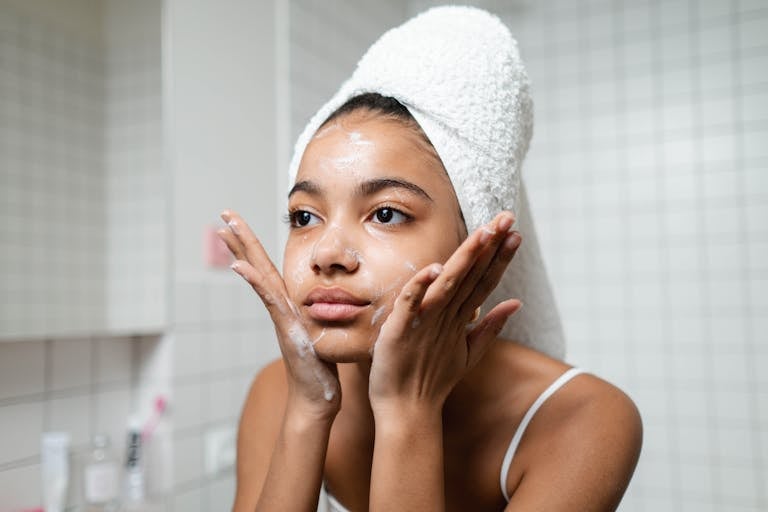
Step 1: Water-based cleanser like CeraVe Foaming (30 seconds);
Step 2: Vitamin C serum (3-5 drops, wait 1 min);
Step 3: Moisturizer (1/2 pea size);
Step 4: SPF 50 (1/4 tsp full face).
Order matters in your skincare routine to ensure each layer absorbs properly. Applying SPF before serum leads to poor penetration and reduced benefits. Common mistakes include rubbing products harshly, which strips the skin barrier.
| Step | Product | Amount/Time | Technique |
|---|---|---|---|
| 1. Cleanser | Water-based (e.g., CeraVe Foaming) | 30 seconds | Massage, rinse with cool water |
| 2. Treatment Serum | Vitamin C 20% or niacinamide 10% | 3-5 drops, wait 1 min | Pat in gently |
| 3. Moisturizer | Lightweight or rich based on skin type | Pea-size amount | Press into skin |
| 4. SPF | Broad-spectrum SPF 50 | 2 finger-lengths or 1/4 tsp | Apply last, reapply by 2 pm |
For combination skin, choose non-comedogenic formulas to balance oil in the T-zone. Sensitive skin benefits from fragrance-free options with ceramides. Always patch test new products to avoid reactions.
Design Your Evening Routine
Nighttime cell regeneration makes evenings optimal for actives. Research in chronobiology shows skin turnover peaks at night. This makes evenings ideal for repair over protection.
Evening focuses on repair when skin turnover peaks. Double cleansing removes more impurities than a single cleanse. It sets the stage for deeper treatment absorption in your personalized beauty routine.
Focus on nourishing ingredients like retinol and peptides after cleansing. Layer products gently to support the skin barrier. Adjust for your skin type, such as extra hydration for dry skin.
Keep your evening routine consistent yet flexible. Track how your skin responds over weeks. This builds a skincare routine that promotes a radiant complexion and restful recovery.
Double Cleansing and Repair Focus
Step 1: Oil cleanser like DHC Deep Cleansing Oil, 1 pump, massage 60 seconds to emulsify makeup and sunscreen. This first cleanse dissolves impurities without stripping. It preps skin for the next step in your evening routine.
Step 2: Follow with a water-based cleanser for 60 seconds. Gently rinse away residue. This double cleanse ensures a clean canvas for actives.
- Oil cleanse: Emulsify for 60 seconds to break down makeup and SPF.
- Water cleanse: Use a gentle face cleanser for 60 seconds.
- Treatment: Apply retinol 0.3% every third night, rice-grain size. Alternate with peptide serum on off nights using an active calendar.
- Eye cream: Dab a grain-of-rice amount under eyes for hydration.
- Barrier cream: Finish with ceramide moisturizer, add an Aquaphor layer in winter for dry skin.
For retinol, use the sandwich method: moisturizer first, then retinol, then moisturizer again. This reduces irritation. Patch test new products and build tolerance slowly for sensitive skin.
Incorporate Weekly Treatments
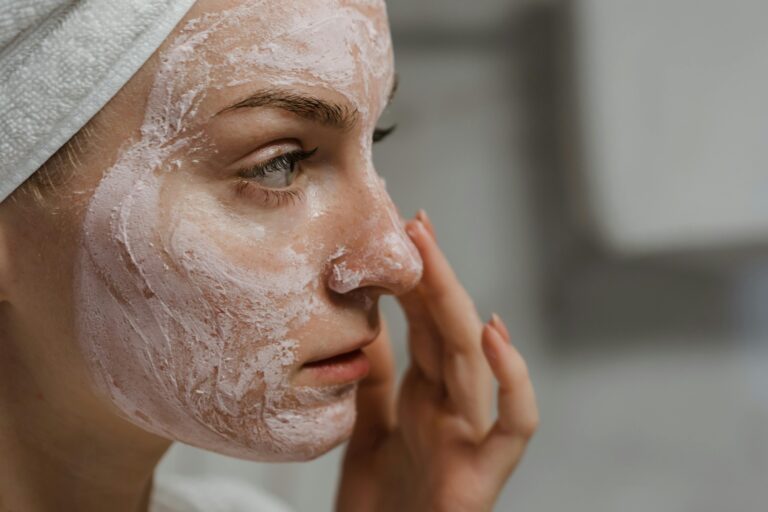
Weekly treatments deliver better results than daily use alone. Schedule them 2-3 times weekly, such as Sunday mask, Wednesday exfoliate, and Friday LED. This approach boosts your personalized beauty routine without overwhelming the skin.
These sessions target deeper concerns like hydration, exfoliation, and repair. Rotate treatments to prevent irritation and match your skin type, whether dry skin, oily skin, or sensitive skin. Always patch test new products first.
Use the calendar below for a simple weekly routine. Adjust based on your needs, like adding a clay mask for oily skin or hydrating options for dry skin. Consistency builds a healthy skin barrier.
| Day | Treatment | Duration | Skin Type | Product Example |
|---|---|---|---|---|
| Sunday | hydrating mask | 15 min | All Types | Laneige Water Sleeping |
| Wednesday | AHA 7% exfoliation | 10 min leave-on | Non-Sensitive | The Ordinary |
| Friday | LED red light | 10 min | All Types | Dr. Dennis Gross SpectraLite |
| Saturday | clay mask | 10 min | Oily | Aztec Secret |
Follow a rotation schedule to avoid overuse. Skip exfoliation if using retinol daily, and alternate masks for balance. Track progress in a journal to customize your skincare routine.
Select Products Wisely
Matching ingredients to your skin type helps build a personalized beauty routine that supports your skin barrier. Experts recommend focusing on active concentrations over brand names for better results in your skincare routine. Always prioritize products that align with your needs, like hydration for dry skin or oil control for acne-prone types.
Smart selection prevents many common issues. Patch test new products on your inner arm for 48 hours first to check for reactions. This simple step allows you to introduce items safely into your morning or evening routine.
Consider your full beauty goals, from anti-aging serums with retinol to brightening vitamin C for a radiant complexion. Layer products thoughtfully, starting with a gentle face cleanser and ending with moisturizer and SPF. Track how your skin responds over weeks to refine your choices. Learn how to build a skincare routine that actually works with step-by-step guidance.
For a complete routine, include hair care like shampoo and conditioner suited to your hair type, plus body lotion for overall wellness. Adjust seasonally, adding more hyaluronic acid in winter for moisture. This approach ensures glowy skin and confidence in your self-care ritual.
Ingredient Matching and Testing
Dry skin benefits from ceramides plus hyaluronic acid around 2%, as in CeraVe Skin Renewing. Oily skin thrives with niacinamide 10% and salicylic acid 2%, like in Paula’s Choice 2% BHA. Matching these actives to your skin type customizes your routine effectively.
Use this table to guide your ingredient matching for key steps like cleanser, serum, and moisturizer.
| Skin Type | Key Ingredients | Concentrations | Testing Protocol | Drugstore Pick |
|---|---|---|---|---|
| Dry | Ceramides, hyaluronic acid | 1-2% hyaluronic | Patch test inner arm 48 hours | CeraVe Moisturizing Cream |
| Oily | Niacinamide, salicylic acid | 5-10% niacinamide, 2% salicylic | Patch test inner arm 48 hours | Paula’s Choice 2% BHA |
| Combination | Niacinamide, lightweight hyaluronic | 4-5% niacinamide | Patch test inner arm 48 hours | The Ordinary Niacinamide 10% |
| Sensitive | Aloe, centella asiatica | Low 1% actives, fragrance-free | Patch test inner arm 48 hours | La Roche-Posay Toleriane |
| Normal | Peptides, vitamin C | 10-15% vitamin C | Patch test inner arm 48 hours | Cetaphil Daily Hydrating Lotion |
Avoid red flag ingredients like essential oils, alcohol denat, and synthetic fragrances, which can irritate. Check labels or use tools like the EWG Skin Deep scanner for safety ratings. Opt for non-comedogenic, cruelty-free options to maintain pH balance and microbiome health.
After patch testing, introduce one product at a time into your routine. Monitor for redness or breakouts, and consult a dermatologist for hormonal or persistent issues. This method supports long-term healthy skin in your personalized beauty plan.
Frequently Asked Questions
How to design a complete beauty routine just for you: What are the first steps?
To design a complete beauty routine just for you, start by assessing your skin type (oily, dry, combination, or sensitive), hair texture, and lifestyle factors like climate or daily activities. Track your skin’s reactions for a week and note concerns like acne or dryness to build a personalized foundation.
How to design a complete beauty routine just for you: Which products should I prioritize?
When designing a complete beauty routine just for you, prioritize essentials like a gentle cleanser, moisturizer, sunscreen (SPF 30+), and targeted treatments (e.g., serums for anti-aging or hydration). Choose products matching your skin type and avoid overloading with too many items initially.
How to design a complete beauty routine just for you: How do I incorporate hair and body care?
To design a complete beauty routine just for you, extend beyond skincare to include shampoo/conditioner suited to your hair type, body lotion for hydration, and exfoliation 2-3 times weekly. Align these with your skincare for a holistic approach, adjusting based on seasonal changes.
How to design a complete beauty routine just for you: What role does makeup play?
In designing a complete beauty routine just for you, makeup should enhance natural features-opt for lightweight foundations, long-wear products if active, and always remove it nightly. Integrate it as an optional step after skincare, focusing on brow and lash products for everyday simplicity.
How to design a complete beauty routine just for you: How often should I update it?
To keep your complete beauty routine just for you effective, review and update it every 3-6 months or after life changes like moving or pregnancy. Monitor product efficacy and skin evolution, introducing new actives like retinoids gradually while phasing out irritants.
How to design a complete beauty routine just for you: Can diet and habits influence it?
Yes, when you design a complete beauty routine just for you, factor in diet (e.g., omega-3s for glow, hydration via water intake) and habits like sleep and stress management. These internal elements amplify topical routines, so aim for 7-9 hours of sleep and antioxidant-rich foods.
Medical Disclaimer
This article is for informational and educational purposes only and is not intended to diagnose, treat, cure, or prevent any medical condition. The skincare guidance shared here reflects general wellness principles and may not be suitable for every individual.
Always consult with a qualified dermatologist or healthcare professional before making changes to your skincare routine, especially if you have underlying skin conditions, allergies, are pregnant or nursing, or are using prescription treatments.
Your skin is unique, and professional advice ensures you’re choosing products and routines that are safe and appropriate for your needs.