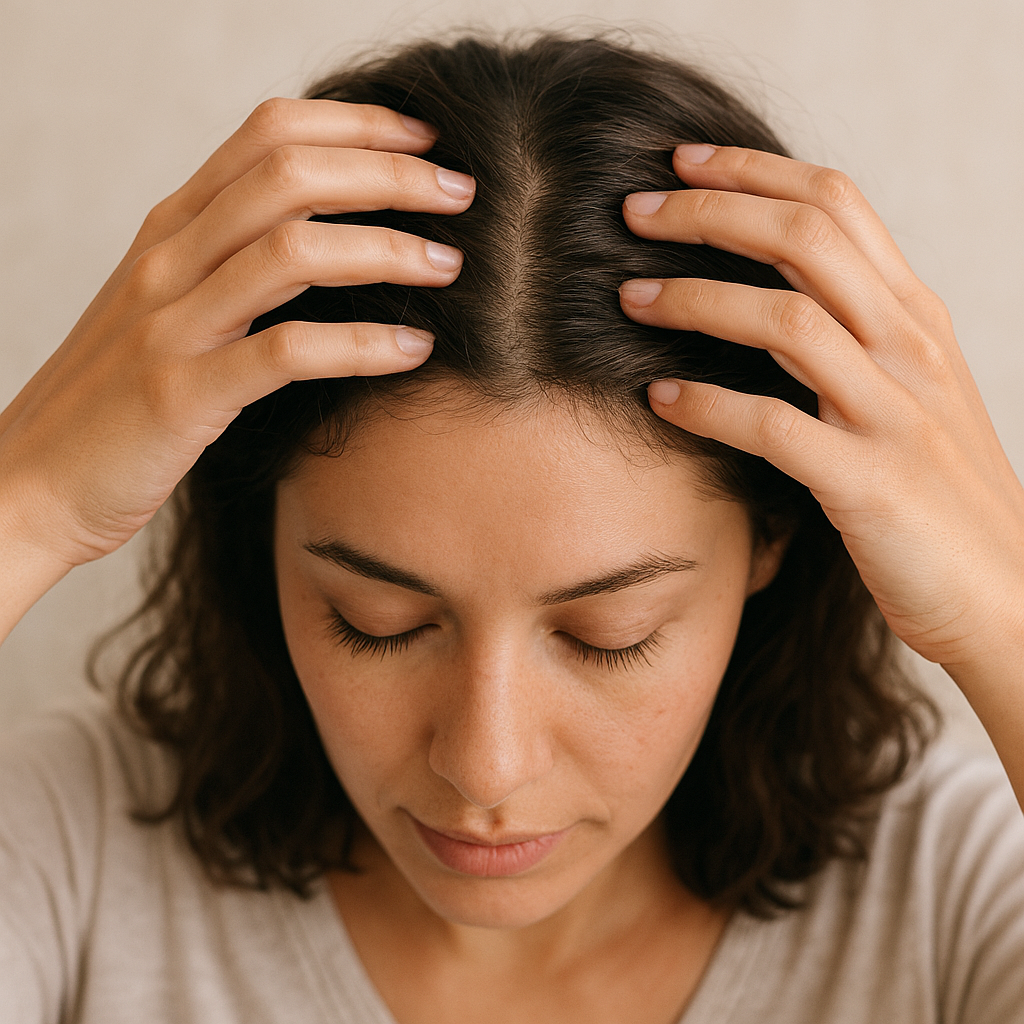
Why Women Experience Sudden Hair Shedding (And What Helps)
You know that mini heart attack you get when you look down at your shower drain and see what looks like a small mammal staring back at you? Yeah, we need to talk about that.
Hair shedding can feel like your body’s playing a cruel joke, especially when it seemingly happens overnight. One day you’re flipping your hair like you’re in a shampoo commercial, and the next, you’re finding strands on your pillow, your clothes, and basically everywhere except where they belong—on your head.
But here’s the thing: sudden hair shedding in women is far more common than you’d think, and in most cases, it’s temporary and totally fixable. Let’s break down what’s actually happening up there and, more importantly, what you can do about it.
Affiliate Disclosure: This page contains affiliate links. If you purchase through my links, I may earn a small commission at no extra cost to you. I only share products I believe align with my brand and support my readers’ needs.
The Science-y Part (Don’t Worry, We’ll Keep It Simple)
First, let’s get one thing straight: losing hair is normal. Like, actually normal. The average person sheds 50-100 hairs per day. Your hair goes through a natural growth cycle—growing, resting, and shedding—and sometimes that cycle gets knocked out of whack.
When you experience sudden shedding (the medical term is telogen effluvium, which sounds way scarier than it is), it means more hairs than usual have entered that resting phase and are now making their grand exit. The good news? Your hair follicles are typically still healthy and ready to grow new hair once you address the underlying trigger.
Why Is This Happening to You?
Let’s talk about the usual suspects behind sudden hair shedding:
Stress (The Ultimate Hair Villain)
Remember that insanely stressful project at work? Or that major life change three months ago? Your hair remembers too. Significant stress can shock your hair follicles into that resting phase we mentioned. Plot twist: the shedding usually shows up 2-3 months after the stressful event, which is why it feels so random.
Hormonal Shake-Ups
Pregnancy, postpartum, stopping birth control, perimenopause, thyroid issues—basically, anytime your hormones decide to throw a party (or a tantrum), your hair might join the drama. Postpartum shedding is especially common and can be quite dramatic, but it’s usually temporary.
Nutritional Deficiencies
Your hair is kind of a diva—it needs proper nutrition to thrive. Low iron, vitamin D, B vitamins, or protein can all trigger shedding. If you’ve been crash dieting or not eating enough variety, your hair might be waving a red flag.
Medical Conditions and Medications
Certain health conditions (like anemia or autoimmune issues) and medications can contribute to hair loss. If your shedding seems excessive or continues for months, definitely chat with your doctor to rule out underlying issues.
Physical Shock to the System
High fevers, surgery, significant weight loss, or even COVID-19 can trigger a shedding episode. Your body essentially diverts resources away from “non-essential” functions (sorry, hair) to deal with the crisis.
What Actually Helps (No Miracle Cures, Just Real Solutions)

Now for the part you actually came here for—what can you do about it?
Track Your Shedding
Before you panic, get some data. Our free Hair Shedding Tracker can help you monitor your hair loss patterns and identify potential triggers. Sometimes, just tracking it reveals that it’s not as bad as it feels or enables you to connect the dots to a specific cause.
Optimize Your Daily Routine
The small things add up. From how you wash your hair to your stress management techniques, your daily habits play a huge role in hair health. Check out our guide Daily Habits That Support Hair Growth for practical, easy-to-implement strategies that actually make a difference.
Address the Damage
If your shedding is accompanied by breakage or general hair distress, it’s time to show your strands some TLC. Our Beginner’s Guide to Repairing Damaged Hair walks you through exactly how to strengthen and restore your hair from the inside out.
Consider Quality Supplements
While supplements aren’t magic pills, the right ones can fill nutritional gaps that contribute to shedding. We’ve rounded up the Best Supplements for Hair Growth, including science-backed options from HUM, Nutrafol, and Vegamour. Just remember supplements work best when combined with a solid hair care routine and a healthy lifestyle.
Be Patient (Seriously)
This is the hardest part, but hair regrowth takes time. Even after you address the trigger, you might not see new growth for 3-6 months. Your hair grows about half an inch per month, so visible progress requires patience. Trust the process.
See a Professional When Needed
If your shedding lasts longer than six months, comes out in clumps, or is accompanied by bald patches or scalp issues, don’t DIY it—see a dermatologist or trichologist. Some conditions need professional diagnosis and treatment.
The Bottom Line
Sudden hair shedding is scary, frustrating, and honestly just plain annoying. But for most women, it’s a temporary situation with a fixable cause. Your body is incredibly resilient, and so is your hair.
The key is to stay calm (easier said than done, we know), identify potential triggers, and give your hair the support it needs to bounce back. Sometimes that means adjusting your routine, sometimes it means addressing nutritional gaps, and sometimes it just means giving your body time to recalibrate.
You’ve got this—and your hair will be back to its former glory before you know it.
Ready to take control of your hair health? Download our free Hair Shedding Tracker today and start identifying your unique patterns and triggers. Knowledge is power, especially when it comes to your hair.
Have questions about your specific situation? Drop them in the comments below—we read every single one!
Medical Disclaimer: The information provided on BodyCodexx is for general educational and informational purposes only. It is not intended as medical advice, diagnosis, or treatment. Always consult with a qualified healthcare professional before making decisions about your health, wellness, or skincare routines. Products and recommendations mentioned are based on research and personal experience, but individual results may vary.



Leave a Reply