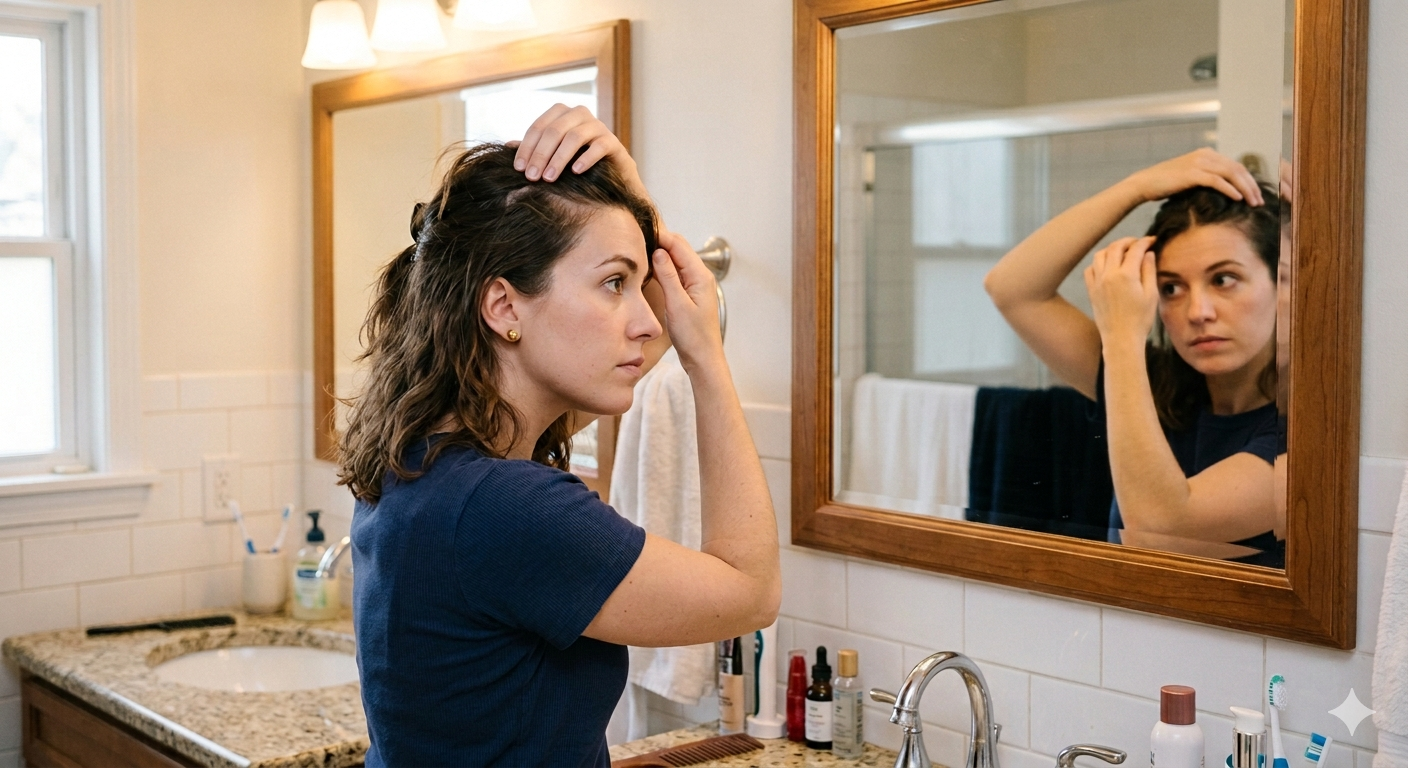
The Complete Guide to Scalp Health: Your Foundation for Beautiful Hair
Scalp Microbiome Mastery: The Foundational Blueprint for a Thriving Hair Environment
Affiliate Disclosure: This guide includes affiliate links. BodyCodexx may earn a small commission if you purchase through these links. Recommendations are intended to reflect commonly used ingredients and ingredient-efficacy considerations. Always choose products based on your specific skin/scalp needs and tolerability.
Beyond the Strand: Why Scalp Care Is Non-Negotiable
Your hair strands are what you see—but your scalp is what sets the biological stage. Healthy growth is supported by a scalp environment that’s not overwhelmed by irritation, buildup, dryness, or imbalance.
So instead of chasing “miracle regrowth,” we build something more powerful: a scalp system designed to reduce friction, calm inflammation, improve comfort, and support healthier-looking hair over time.
This blueprint focuses on scalp environment and common scalp conditions (like dandruff/itch/irritation). It is not a guarantee of regrowth for every hair-loss cause.
1) Decoding Your Scalp Profile (So You Treat the Right Problem)
If you apply the wrong strategy, you don’t just waste time—you can worsen symptoms. Start by identifying your likely “profile” (and adjust if your scalp behaves differently).
The Over-Active Lipid Profile (Oily Tendency)
- Rapid oil buildup within a day or less
- Flat roots
- Oily flakes or frequent “gunk” feel in the hairline
The Moisture-Depleted Profile (Dry Tendency)
- Persistent itching
- Tightness after washing
- Fine, white “snow-like” flakes
The Hyper-Reactive Profile (Sensitive Tendency)
- Visible redness
- Stinging or burning when applying products
- Flare-ups tied to weather, stress, or product changes
Safety checkpoint: If you have pain, pus, thick crusting, significant swelling, or sudden/unexplained shedding, don’t self-experiment—get a professional evaluation.
Knowledge Hub: Not sure where your barrier stands? Your scalp often behaves like an extension of facial barrier skin. Your 30-Day Skin Transformation System can help you start with a baseline.
2) The Mechanics of Follicular “De-Congestion” (Buildup Control Without Damage)
A common reason scalps feel inflamed or itchy is that buildup can contribute to irritation through excess sebum, dead skin accumulation, and product residue. The goal is not to scrub the scalp raw. The goal is to keep the scalp pathway open while staying gentle enough to avoid rebound issues.
The Two-Step De-Congestion Method
Step A: Biochemical clearing (use carefully, not aggressively)
For some people, salicylic-acid–type exfoliation helps lift oil-related buildup. This can be more effective than scrubbing—but only if your scalp can tolerate it.
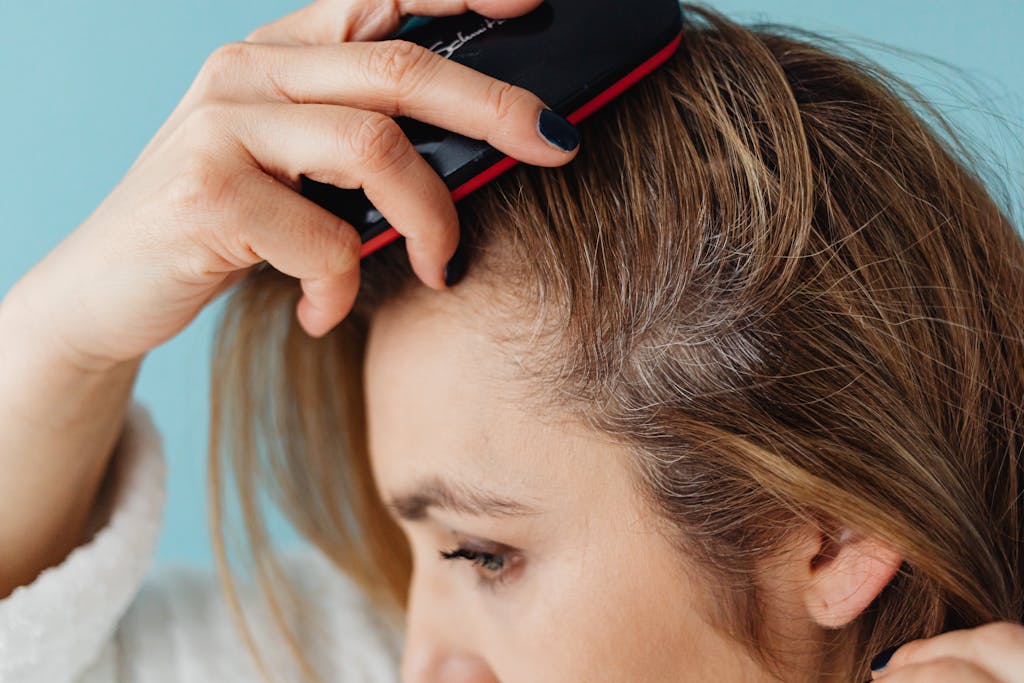
Step B: Stimulation & circulation (comfort + consistency)
Gentle scalp massage helps you stay consistent, distributes product evenly, and can improve comfort. Keep it mild—think “activating,” not “aggressively scrubbing.”
Curated Essentials (with safety rules)
- The Pro Tool: Heeta Scalp Care Brush
- Use lightly. Stop if you notice irritation, heightened itch, or redness.
- The Root Reset: The Ordinary Glycolic Acid 7% Toning Solution
- If you’re sensitive, introduce slowly (see frequency guidance below).
How to run this system safely
- Start 1x/week exfoliation if you’re new to acids; then adjust to up to 2x/week only if your scalp is calm.
- Avoid combining multiple exfoliating actives in the same routine at first.
- If your scalp burns, flares, or flakes more after starting: pause, simplify, and reassess.
If you are actively inflamed: prioritize gentle cleansing and soothing support first. Exfoliating comes after your scalp stabilizes.
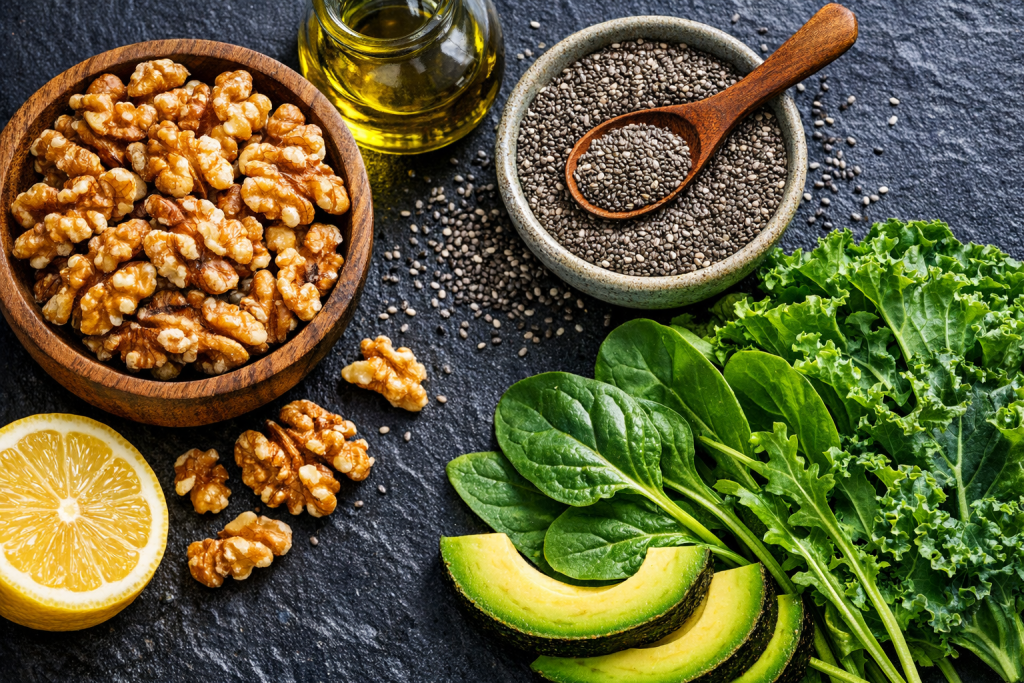
3) Systemic Fuel: Nutrition Is the Foundation, Not a Side Quest
Serums work on the surface—but hair is built through your body’s systems. If shedding is increasing or your hair looks weaker, it’s worth considering whether your body is redirecting resources due to stressors like low iron, insufficient protein, poor sleep, or other health factors.
This is not about perfection. It’s about removing the biggest “fuel gaps” that can affect hair quality and shedding patterns.
You can use our FREE Hair Shedding Tracker to help understand and figure out your unique hair shedding patterns.
Fuel Your Follicles Scientifically
Let Follicle & Feast build a weekly menu aligned with your goals—density support, growth support, or scalp comfort.
Generate Your Plan with Follicle & Feast →Get yours HERE
4) Balancing the Microbiome Ecosystem (Support, Don’t Overpromise)
Your scalp microbiome includes bacteria and Malassezia (commonly associated with dandruff/itch in some people). Keeping the scalp environment stable can help reduce flaking and irritation for many users.
Essential Maintenance Protocols
Thermal discipline:
- Rinse with lukewarm water.
- Very hot water can worsen dryness and irritation for many people.
Photo-protection:
- If you notice sensitivity, consider protecting your scalp from UV exposure (hat, scarf, or scalp-appropriate protection).
- UV can increase oxidative stress and irritation risk, especially in sensitive scalps.
pH optimization (read this like a guideline, not a commandment):
- Harsh, highly stripping cleansers can increase irritation and destabilize comfort.
- The practical rule: choose scalp-friendly, non-stripping formulas that leave your scalp comfortable—not tight, burning, or reactive.
Exact “ideal scalp pH” numbers aren’t one-size-fits-all. Your scalp’s response is the real signal.
5) High-Performance Actives for Scalp Longevity (Evidence-Informed, Safety-First)
Some actives have supportive evidence and are commonly used in hair/scalp formulas. But the winning strategy is tolerance + consistency.
What to look for (and how to be smart)
Rosemary oil:
- Some emerging data suggest it may support hair growth in certain contexts.
- Safety: can irritate sensitive scalps—patch test and avoid undiluted use.
Copper tripeptides:
- Often included for hair-science formulation goals (evidence varies by product and context).
- Safety: introduce slowly; stop if you notice burning or worsening redness.
Niacinamide (Vitamin B3):
- Commonly used to help reduce redness and support barrier comfort.
- Safety: generally well-tolerated, but any new product should still be introduced gradually.
Curated Essentials
- The Stimulant: Mielle Rosemary Mint Scalp & Hair Strengthening Oil
- Patch test first. Use sparingly on test days if you’re sensitive.
- The Barrier Rescue: CeraVe Moisturizing Cream
- Use on dry, irritated patches or hairline areas that need comfort.
- If it makes your scalp greasy or itchy, scale back or stop.
Conclusion: Your Roadmap to Scalp Vitality (The Bold Plan That Stays Safe)
Here’s your blueprint—built to be strong, not risky:
- Audit your scalp using your profile (oily, dry, or sensitive) as the starting map.
- Implement controlled exfoliation only if your scalp tolerates it (start low; ramp slowly).
- Master nutrition support with a weekly plan aligned to your goals using Follicle & Feast.
- Incentivize blood flow through gentle daily massage (comfort-first, not pressure-first).
- Shield the microbiome from irritant overload with lukewarm cleansing, gentle products, and protection strategies when sensitive.
You may also like these articles:
➡️Why Women Experience Sudden Hair Shedding (And What Helps)
➡️Daily Habits That Support Hair Growth
Does your scalp get the same love and attention as your skincare routine?
Share your routine in the comments below—and tell us what your scalp profile looks like (oily, dry, or sensitive).
Medical Disclaimer: This content is for educational purposes only and does not constitute medical advice or diagnosis. Results vary by individual. If you have persistent scalp issues, painful inflammation, sores, sudden/unexplained hair loss, or signs of infection, consult a board-certified dermatologist or qualified healthcare professional.



Leave a Reply