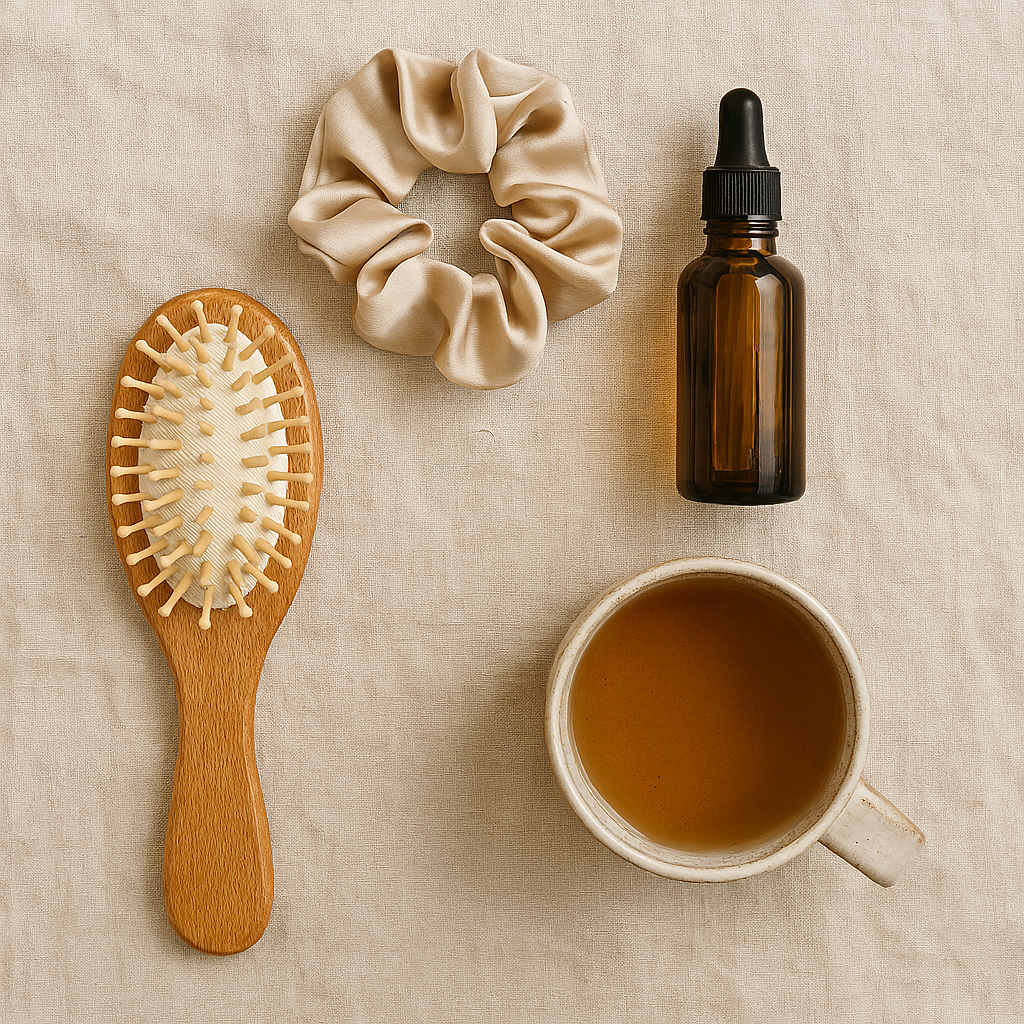
Daily Habits That Support Hair Growth
Let’s be real: we’ve all fallen down the rabbit hole of “miracle hair growth” videos at 2 AM, promising Rapunzel-length locks in just two weeks. Spoiler alert—those don’t work. But you know what does? Boring old consistency.
The truth is, your hair doesn’t need a miracle. It needs you to show up every day with a few simple, science-backed habits. Think of it like going to the gym—one workout won’t give you abs, but showing up regularly absolutely will. Your hair works the same way.
The good news? These habits are way easier than crunches, and you can do most of them while binge-watching your favorite show. Let’s dive in.
Affiliate Disclosure: This page contains affiliate links. If you purchase through my links, I may earn a small commission at no extra cost to you. I only share products I believe align with my brand and support my readers’ needs.
Your Morning Routine: Start the Day Right
Eat Protein at Breakfast
Your hair is literally made of protein (keratin, to be exact), so skipping it at breakfast is like trying to build a house without bricks. Aim for at least 20-30 grams of protein in your morning meal—eggs, Greek yogurt, protein smoothies, or even leftovers from last night’s dinner all count.
Take Your Supplements
If you’re incorporating hair growth supplements into your routine, morning is prime time. Check out our guide to the Best Supplements for Hair Growth featuring options from HUM, Nutrafol, and Vegamour to find what works for your needs. Just remember: supplements work best alongside—not instead of—a nutrient-rich diet.
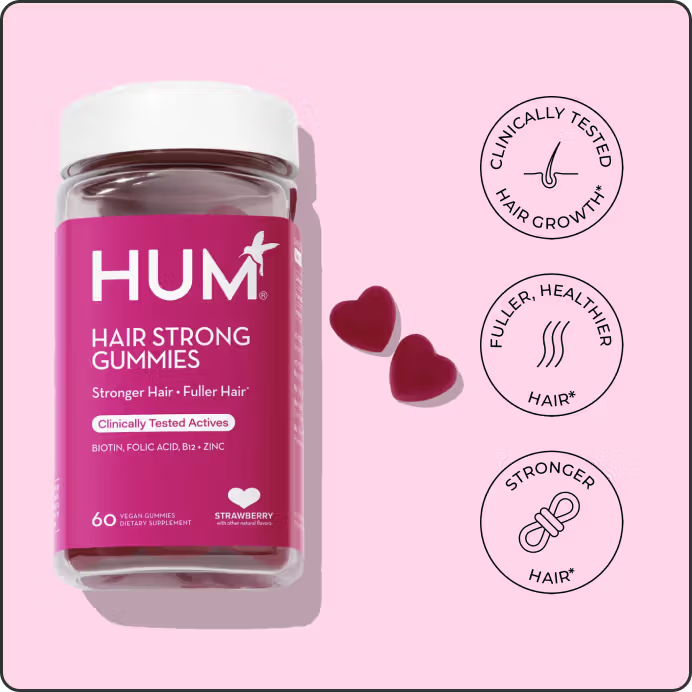
HUM Hair Strong Gummies
A vegan, biotin‑rich gummy formulated to support stronger strands, reduced breakage, and healthier hair growth with consistent daily use.
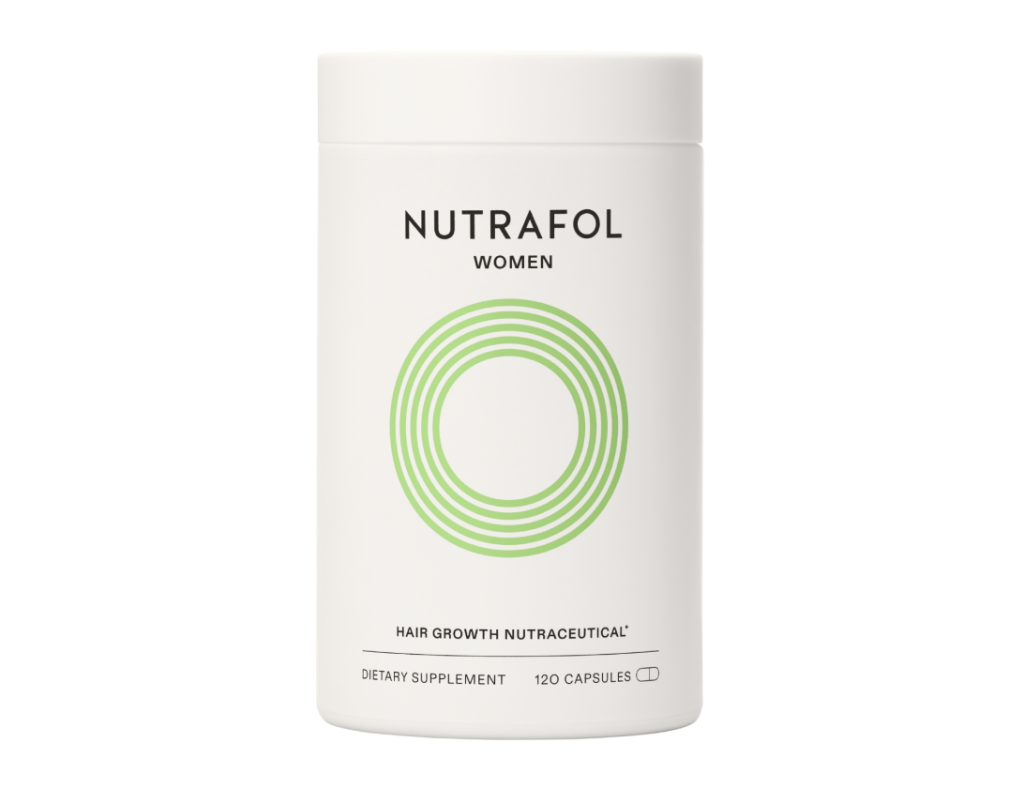
Nutrafol Women’s Balance
A targeted formula for women experiencing hair changes related to hormones, stress, or aging, supporting thicker, fuller, healthier hair from within.
Hydrate Like Your Hair Depends on It (Because It Does)
Start your day with a big glass of water. Dehydration affects your entire body, including your scalp and hair follicles. Keep a water bottle handy throughout the day and aim for at least 8 glasses. Your hair, skin, and general well-being will thank you.
Hair Care Habits That Actually Matter
Brush Gently (and Strategically)
That whole “100 strokes before bed” thing? Terrible advice. Over-brushing causes breakage and stress on your hair. Instead, brush gently when you need to detangle—preferably when hair is dry or slightly damp (never soaking wet). Use a wide-tooth comb or a brush designed to minimize breakage.
Wash Smarter, Not Harder
You don’t need to wash your hair every day unless your scalp is super oily or you work out intensely. For most people, 2-3 times a week is plenty. Over-washing strips natural oils that protect your hair and scalp. When you do wash, focus shampoo on your scalp (where oil builds up) and conditioner on your lengths and ends (where hair needs moisture).
Massage Your Scalp
While shampooing, take an extra 2-3 minutes to massage your scalp with your fingertips (not nails!). This increases blood circulation to your hair follicles, which can support healthy growth. Plus, it feels amazing and reduces stress—a double win for your hair. If you want to make this habit even easier, a soft-silicone tool like the HEETA Scalp Massager can help you get a deeper, more consistent cleanse while boosting circulation without scratching or irritating your scalp. It turns those 2–3 minutes into something that feels genuinely relaxing — and it’s perfect for anyone trying to build a healthier hair-growth routine.
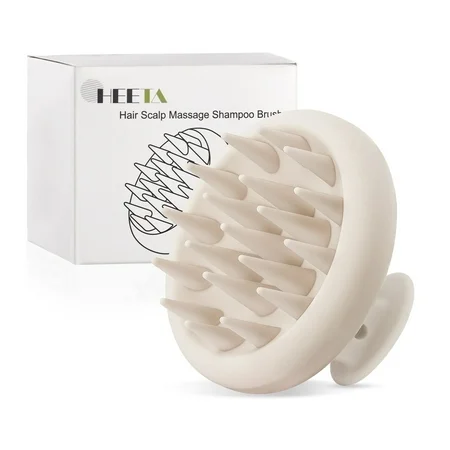
HEETA Scalp Massager
A soft‑silicone scalp massager that boosts circulation, lifts buildup, and gently exfoliates the scalp. Safe for wet or dry hair and ideal for reducing flakes, tension, and product buildup.
Cool Down Your Rinse
End your shower with a cool water rinse. Hot water can strip your hair of moisture and leave your cuticles open, making hair more prone to damage. A cool rinse helps seal the cuticle, adds shine, and can even reduce frizz.
Air Dry When Possible
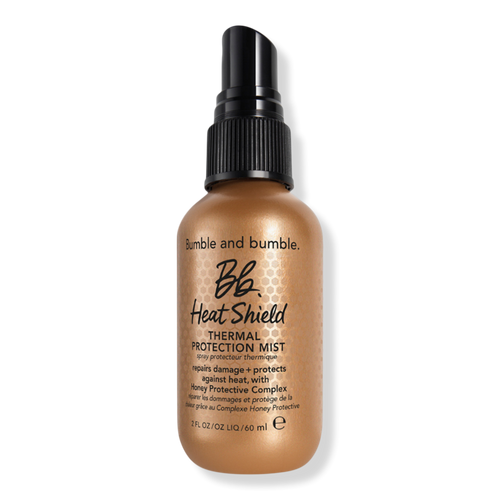
Heat styling is convenient, but it’s also your hair’s nemesis. Whenever you can, let your hair air dry. If you must use heat tools, always—and we mean always—use a heat protectant spray first, and keep tools on the lowest effective setting. And on the days when you do need to reach for a blow dryer or hot tool, a lightweight protectant like Bumble & Bumble’s Heat Shield Thermal Protection Mist helps minimize breakage and keeps your strands safe up to 450°F, so you’re not undoing all the progress you’ve made.
Nighttime Rituals for Better Hair
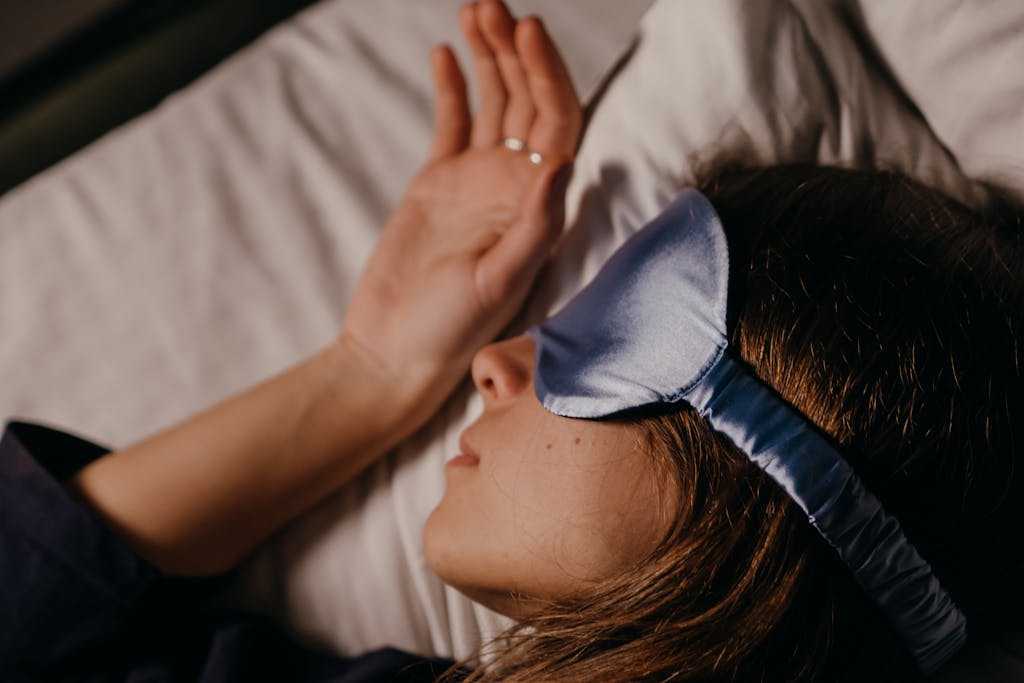
Switch to a Silk or Satin Pillowcase
Cotton pillowcases create friction that leads to breakage and frizz. Silk or satin pillowcases let your hair glide smoothly as you toss and turn. This one simple swap can make a noticeable difference in hair quality over time.
Don’t Sleep on Wet Hair
Wet hair is at its most vulnerable. Sleeping on it wet creates friction, tangles, and breakage. If you must wash at night, either blow-dry on low heat or braid your hair loosely to minimize damage.
Use a Loose Hairstyle
Speaking of braids—if you tie your hair back at night, use a silk scrunchie and keep it loose. Tight ponytails or buns create tension that can lead to breakage and even traction alopecia over time.
Lifestyle Habits That Make or Break Hair Growth
Manage Your Stress
Stress is one of the biggest hair growth saboteurs out there. Chronic stress can literally push your hair follicles into a resting phase, leading to shedding (learn more about this in our article on Why Women Experience Sudden Hair Shedding. Find what works for you—meditation, exercise, therapy, journaling, or just dancing badly in your kitchen.
Prioritize Sleep
Your body does most of its repair work while you sleep, including growing hair. Aim for 7-9 hours of quality sleep each night. Your hair follicles need that time to regenerate and do their thing.
Move Your Body
Regular exercise increases blood circulation throughout your body, including to your scalp. You don’t need to become a gym rat—even a 20-minute daily walk counts. Bonus: Exercise also helps with stress management and sleep quality.
Eat a Balanced Diet
No single food will transform your hair, but a diet rich in vitamins, minerals, healthy fats, and protein absolutely will. Load up on leafy greens, fatty fish, nuts, seeds, colorful vegetables, and lean proteins. Your hair is a reflection of your overall health.
What to Avoid (Just as Important)

Stop the Tight Hairstyles
High-tension styles like super-tight ponytails, braids, or buns can cause traction alopecia—permanent hair loss from constant pulling. If your hairstyle gives you a headache or you can feel pulling on your scalp, it’s too tight.
Limit Chemical Treatments
Frequent bleaching, coloring, perming, or relaxing weakens your hair structure. If you love your color or chemically treated hair, that’s totally fine—just space out treatments and invest in deep conditioning. Our Beginner’s Guide to Repairing Damaged Hair has tons of tips for keeping treated hair healthy.
Don’t Skip Trims
Yes, trimming removes length, but it also removes split ends that travel up the hair shaft and cause more breakage. Getting a trim every 8-12 weeks actually helps you retain more length in the long run.
Reduce Heat Styling
We mentioned this earlier, but it bears repeating: heat damage is cumulative. The more you use hot tools, the more damage you’re doing. Save heat styling for special occasions when possible.
The Consistency Factor
Here’s the thing about these habits: none of them will transform your hair overnight. Hair grows about half an inch per month on average, so visible changes take time. But stack these habits consistently for 3-6 months, and you’ll absolutely notice a difference—stronger, shinier, healthier hair that grows more efficiently.
Think of it as a long game. Your hair is always growing (unless there’s an underlying medical issue), but these habits create the optimal environment for that growth to be healthy, strong, and less prone to breakage.
Track Your Progress
One of the best ways to stay motivated is to track what you’re doing and how your hair responds. Our free Hair Shedding Tracker isn’t just for monitoring shedding—you can also use it to note which habits you’re implementing and observe how your hair changes over time. Data doesn’t lie, and seeing actual progress is incredibly motivating.
The Bottom Line
Growing healthy hair isn’t about finding one magical product or treatment. It’s about building a foundation of simple, sustainable habits that support your hair from multiple angles—nutrition, haircare practices, stress management, and overall health.
Start with just one or two habits from this list. Once those feel natural, add another. Before you know it, you’ll have a full routine that doesn’t feel like work at all—just a natural part of taking care of yourself.
Your future hair (and future you) will be so glad you started today.
Ready to level up your hair game? Download our free Hair Shedding Tracker and start monitoring your progress. Plus, if you’re ready to add targeted nutrition to your routine, explore our recommendations for the Best Supplements for Hair Growth to find the perfect match for your needs.
What’s your #1 hair growth challenge? Share in the comments—we love hearing from you!
Medical Disclaimer: The information provided on BodyCodexx is for general educational and informational purposes only. It is not intended as medical advice, diagnosis, or treatment. Always consult with a qualified healthcare professional before making decisions about your health, wellness, or skincare routines. Products and recommendations mentioned are based on research and personal experience, but individual results may vary.

Leave a Reply